Discover Gemstream
Scroll gaming news

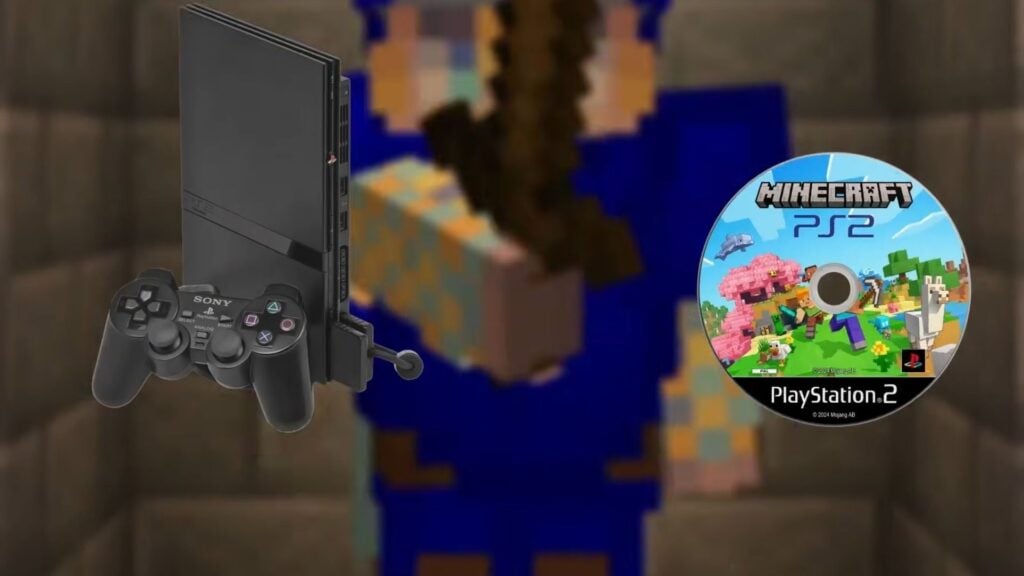
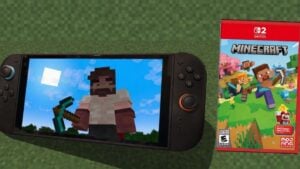
Some fan projects feel like they shouldn’t exist. OptiCraft is one of them. A free port of Minecraft Pocket Edition running natively on PlayStation 2, no modchip required, courtesy of developer @OptiJogos. The kind of late-blooming exploit Sony’s 25-year-old console was never supposed to get.
The math doesn’t really add up. The PS2 moved 160 million units, more than any other console ever made. Minecraft crossed 300 million sales, edging out every non-arcade game in history. Two record-breakers, both fully active during the same console generation, and yet Sony never shipped Mojang’s blockbuster on its flagship machine. The reason is mostly chronology. Minecraft dropped in 2009, deep into the PS2‘s twilight years, and by the time the title was big enough to justify a port, Sony had already shifted its publishing focus to the PS3, where the game landed in December 2013. The window slammed shut for good when Microsoft acquired Mojang in 2014 and any cross-platform ambition tilted toward Xbox-friendly platforms.
Fan communities have been chipping away at this gap for years, sometimes targeting the PS2, sometimes pushing further back to the original PlayStation 1. None of those efforts crossed the finish line as a polished, playable build. Every serious attempt either needed a modchip to bypass Sony’s security, or required rebuilding the entire engine block by block from scratch. Most of them fizzled out as demo videos. OptiCraft is the first one that actually ships, lining it up alongside other ambitious fan revivals like the Mario Kart 64 PC port and the free PC version of Dr. Mario 64.
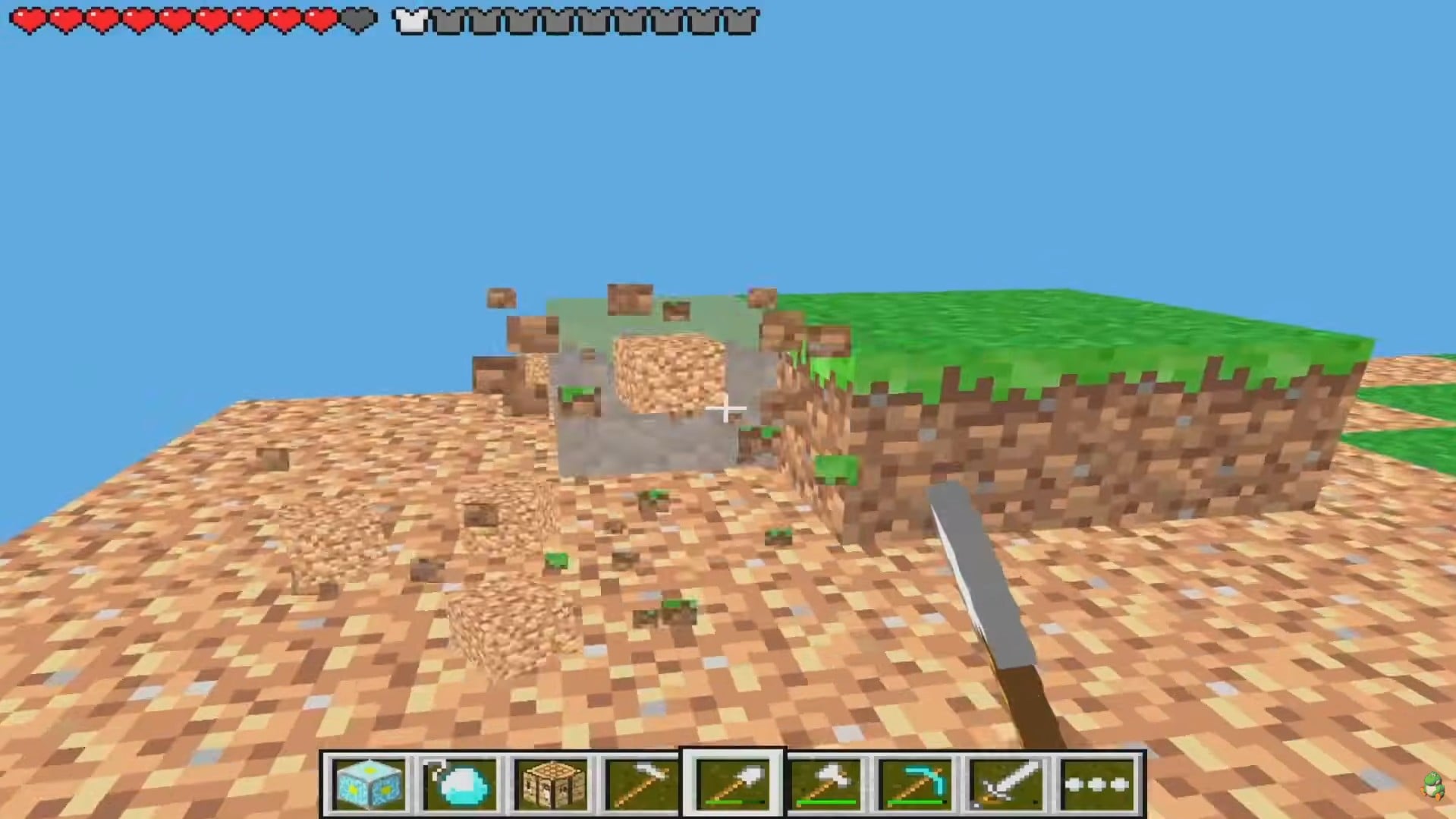
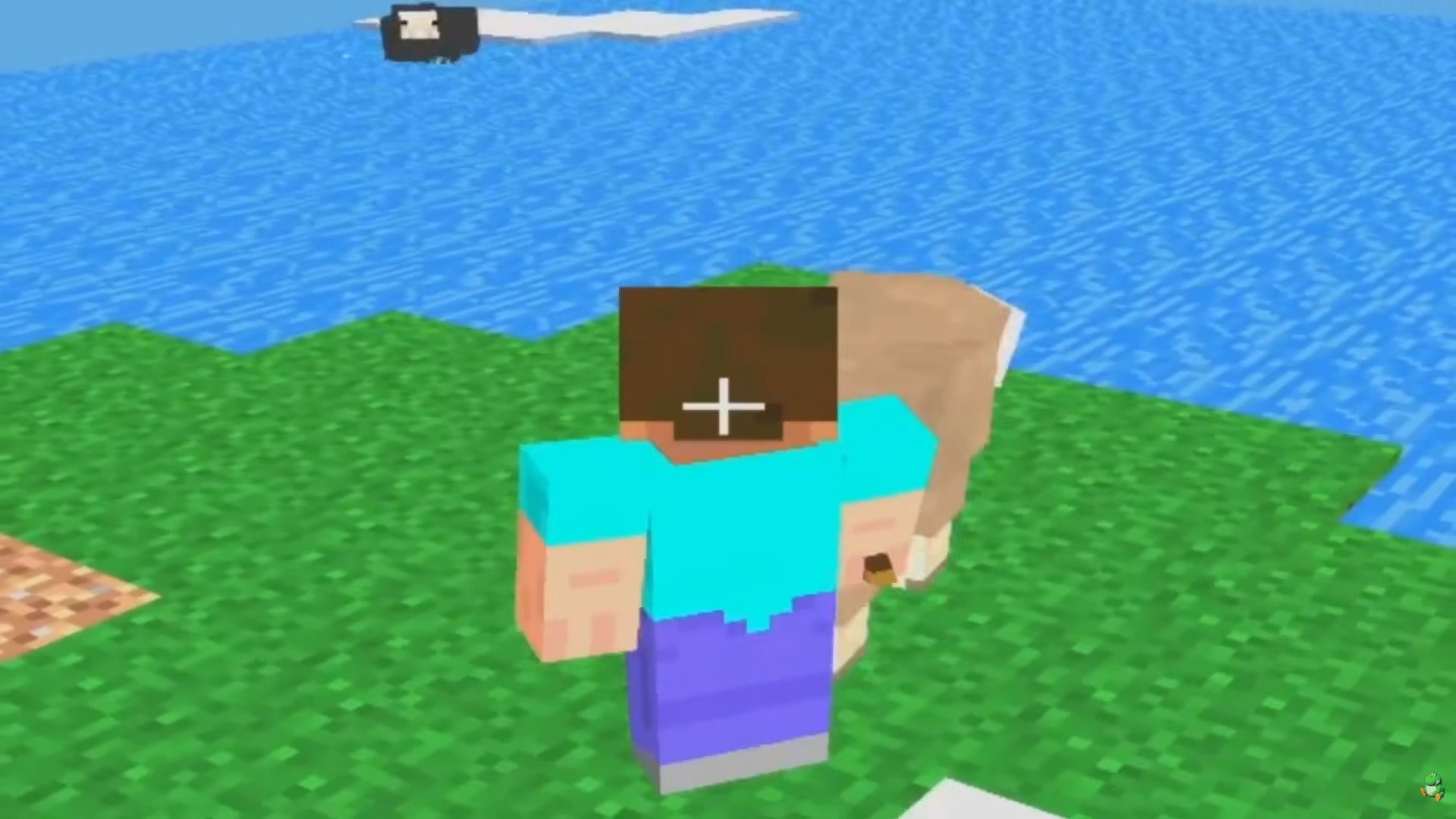
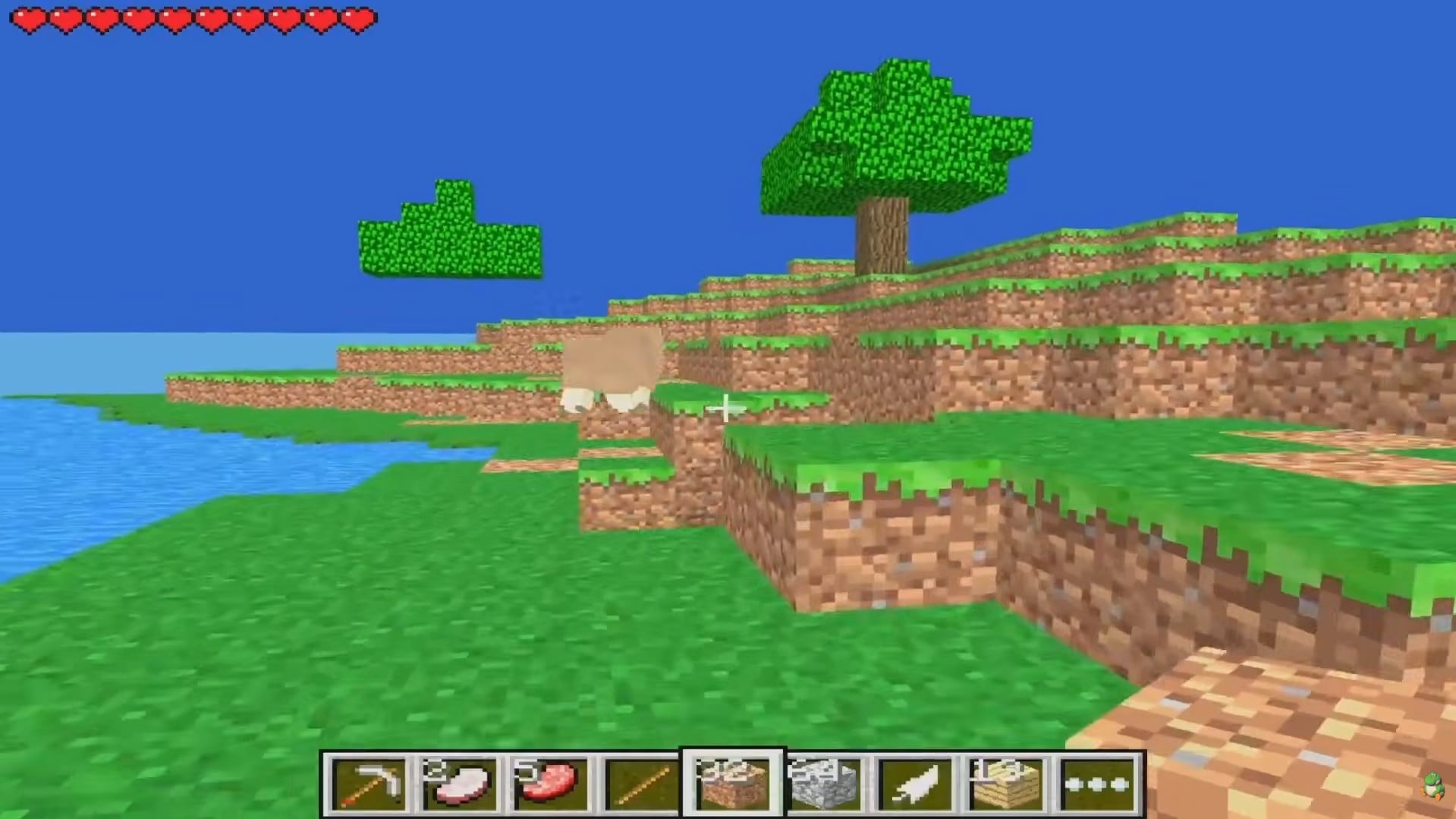
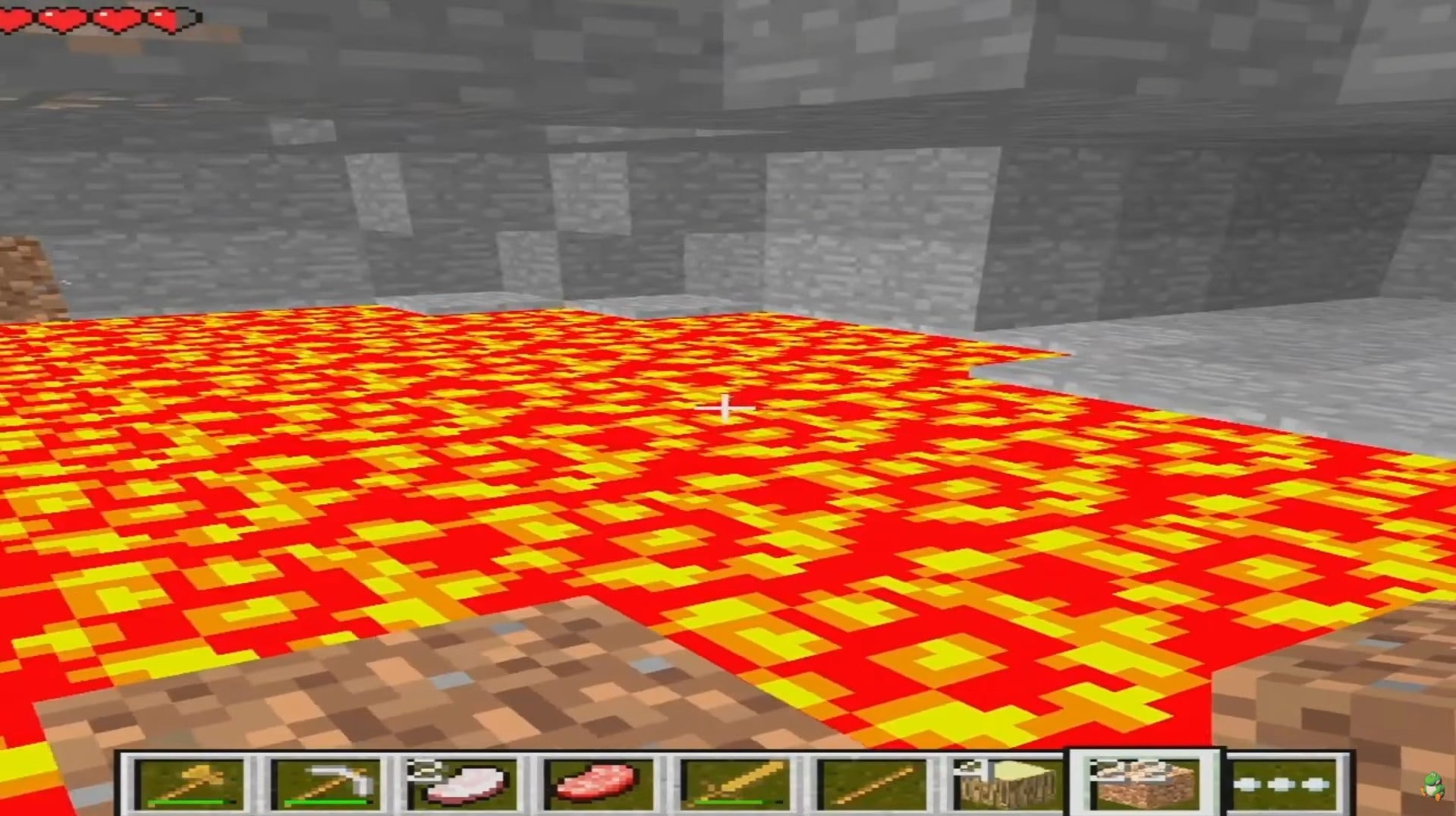
Until recently, anyone wanting to port Minecraft to unusual hardware had to play archaeology. Reverse-engineering the game from bytecode is doable but brutal, and the cleanroom implementations that resulted always had ragged edges. The picture changed when Mojang’s official source code quietly leaked across specialized forums earlier this year. Suddenly, indie developers had the actual blueprint, and the implementation drift that used to plague fan ports was off the table.
@OptiJogos zeroed in on Minecraft Pocket Edition version 0.6, the early mobile build originally cut for entry-level Android and iOS phones. Smart pick. That version was already engineered for cramped memory budgets and a modest block count, which puts it light years closer to PS2 specs than the modern Java or Bedrock builds. OptiCraft keeps the original Survival and Creative modes intact, with finite worlds that lean hard into vertical generation to deliver something that still feels like proper exploration.
The headline feature is straightforward: OptiCraft boots natively on stock PS2 hardware, no modifications required. Past attempts always wanted you to flash a modchip or chain three exploits to load the game. Here, you just need standard PS2 homebrew access, which means a memory card or USB stick is enough. That opens the door to basically every PS2 owner with an internet connection, no soldering iron or warranty-voiding required.
Here’s the brutal truth about PS2 memory: 32 megabytes of main RAM, plus 4 megabytes baked into the GPU. Not gigabytes. Megabytes. Modern Minecraft assumes you have several gigabytes lying around, so @OptiJogos had to compress the entire game experience into something roughly a thousand times smaller. While we’re on the topic, one technical correction is worth making since it floats around in plenty of articles about this port: the PS2‘s GPU is not the Emotion Engine. The Emotion Engine is the CPU, a Sony-Toshiba design that handles game logic and vector math. The actual GPU is called the Graphics Synthesizer, runs at roughly 147 MHz, and ships with 4 MB of embedded eDRAM for rendering.
To bridge Minecraft Pocket Edition‘s rendering pipeline with the Graphics Synthesizer, @OptiJogos built a custom OpenGL adapter from scratch. That adapter is essentially a translator: it takes the modern graphics calls the game’s engine wants to make and rewires them into instructions the PS2 can actually execute. Without that layer, the port literally couldn’t draw a single block. It’s where most of OptiCraft‘s engineering lives, and it’s the trick that lets the whole thing hold a stable 30+ FPS on hardware that predates the iPhone. It’s the same school of preservation-driven hacking that produced the ModRetro FPGA reproduction of the Nintendo 64.
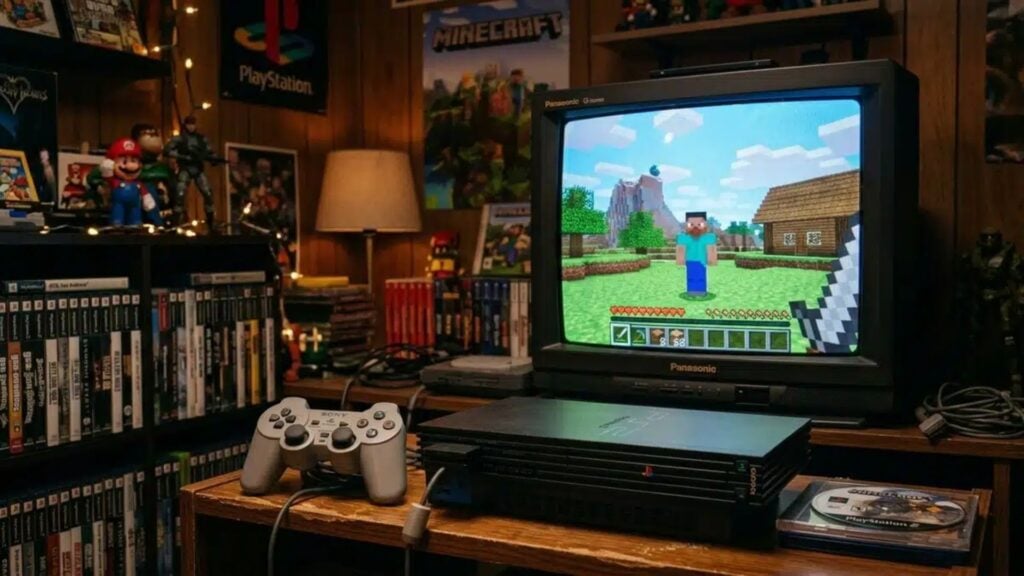
You can’t fit a modern game into 32 megabytes without breaking a few things. The render distance gets clipped down to whatever’s directly in your view, no anticipation of chunks behind you. The output resolution sits below the original mobile build. Smooth lighting, the screen-edge vignette, and the fancy graphics toggle are all switched off and locked. The console’s networking stack is even paused mid-game, because freeing those few megabytes was the difference between playable and stuttering.
The big sacrifice is infinite worlds, the feature that arguably defines what Minecraft even is. The PS2 physically cannot generate terrain that stretches endlessly, so OptiCraft ships with finite worlds that compensate with serious vertical depth instead of horizontal sprawl. The result still earns its 30+ FPS badge on a console old enough to legally rent a car in some countries, which is the kind of trade most players will happily take.
Here’s the practical breakdown for grabbing and running OptiCraft on hardware or emulators:
Scroll gaming news
Salut ! Moi c'est Barnabé, l'assistant gaming de RetroGems ! Pose-moi tes questions sur les jeux vidéo, les actus ou le contenu du site. Miaou ! 🎮
Tapez pour rechercher
Comments
Log in to comment
Continue with GoogleBe the first to comment on this article!