
Discover Gemstream
Scroll gaming news

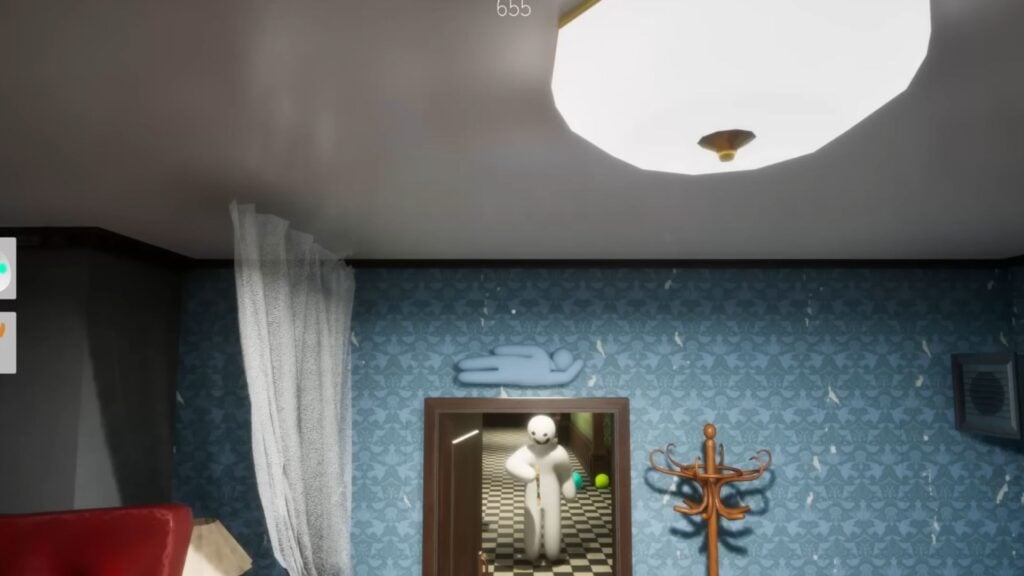
MECCHA CHAMELEON, built solo by Lemorion_1224, drops you into a hide-and-seek mode where Hiders literally paint themselves to blend into walls, props, and shadows before freezing in place. The concept sounds simple, but a few rookie mistakes get you spotted in seconds. Here are the 8 essential tips to actually survive your first match in this Steam indie hit.
A MECCHA CHAMELEON match flows through 3 phases that always happen in the same order: the lobby phase, the prep phase, and the hunt phase. Understanding what each one is for cuts out most rookie mistakes before they happen. The lobby phase exists to make sure every player is on the same patch. The prep phase gives Hiders time to pick a spot, paint themselves, and lock in a pose while Seekers wait. The hunt phase kicks off when Seekers are released and Hiders have to stay completely still.
The prep phase is where every meaningful decision happens, from your color sampling to your final pose. Don’t waste time wandering the map: pick a simple spot fast, paint cleanly, and freeze. Once the hunt phase starts, you have zero room to adjust. And before every match, double-check that everyone in the lobby is on the same patch, otherwise matchmaking can break entirely.
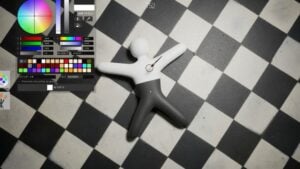
The most common rookie mistake is opening paint mode before locking in a final spot. The result is brutal: the colors you sample in the menu never quite match the surface once you’ve moved. Scout out the wall, crate, shelf, or prop you want to mimic first, walk to it, then open paint mode and use the eyedropper.
Simple surfaces work best in your first hours. A clean wall section, a large crate side, or a deep shadow zone is far easier to replicate than a detailed poster or patterned tile. Once you’ve put a few matches under your belt with the paint system, you can chase trickier spots like the paintings on the Mansion map, the graffiti walls in Sewer, or the cow standees in Indoor Country.
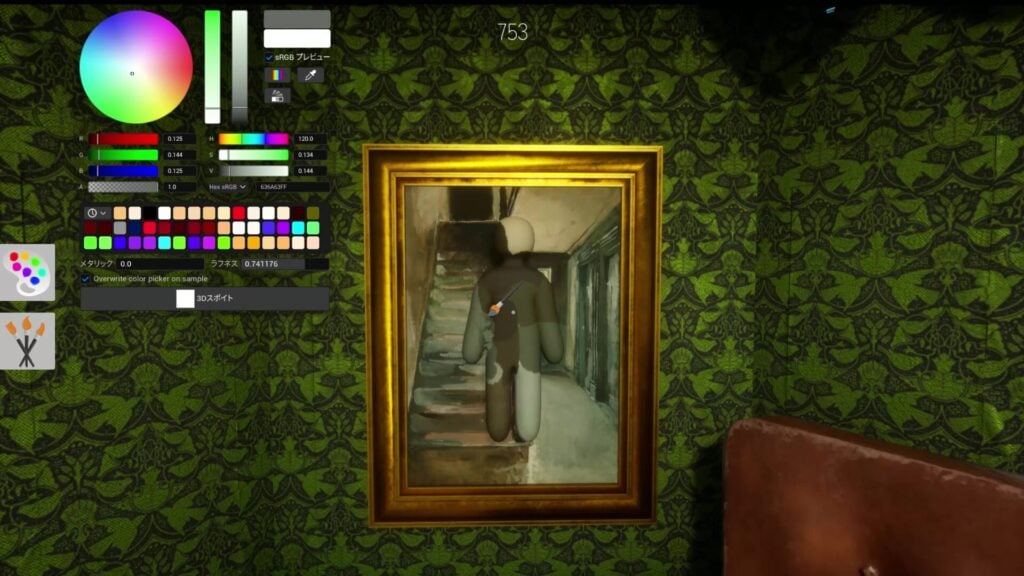
A flat color that matches the wall’s average tone still looks fake on a 3D body. Real surfaces shift from light to shadow depending on the light source. Identify where the main light comes from in the room, brighten the side of your body facing it, and darken the opposite side. 1 extra shadow tone moves the needle more than 5 minutes spent on fine texture details.
The paint system also includes metallic and roughness sliders. Most new players skip them entirely and end up with an unnatural sheen that catches a Seeker’s eye even when the base color is dead-on. Drop the metallic value on matte surfaces like plaster walls or wood, and crank up the roughness on textured surfaces. These 2 settings sit between a convincing blend and an obvious target.
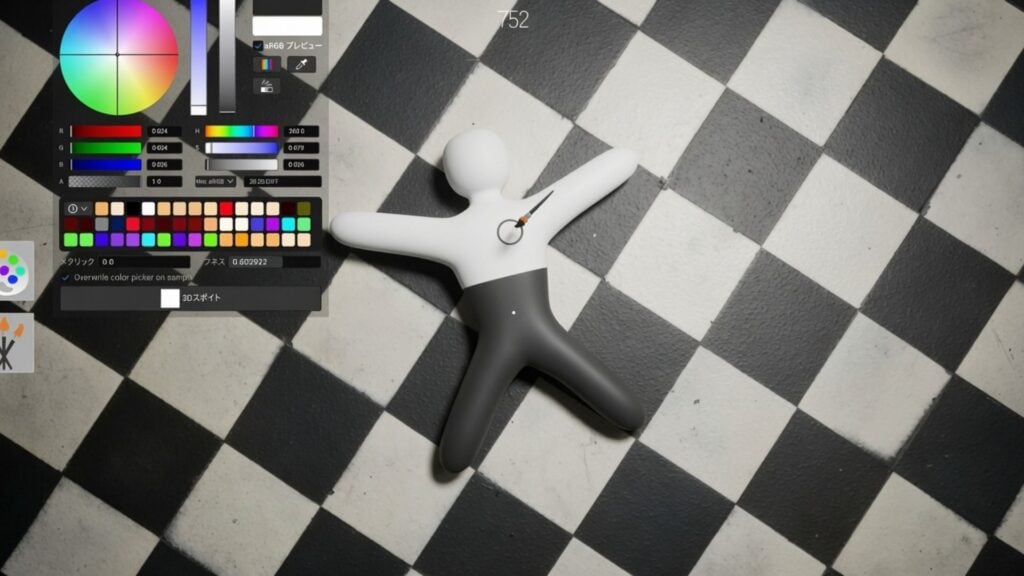
Color hides the paint, but it’s the pose that hides your human silhouette. You need both to survive. A standing body pressed against a flat wall still reads as a player because the outline gives it away instantly. Pick a pose that matches the geometry of your hiding spot: compact poses for low furniture, flat outlines for wall hides, horizontal silhouettes for floor or ceiling spots.
Before the hunt fires off, rotate the camera around your character and check for unpainted white patches, gaps between limbs, and misaligned edges. What looks fine in first-person view becomes totally obvious from the angle a Seeker will approach. This 30-second check has saved more matches than any advanced painting technique.
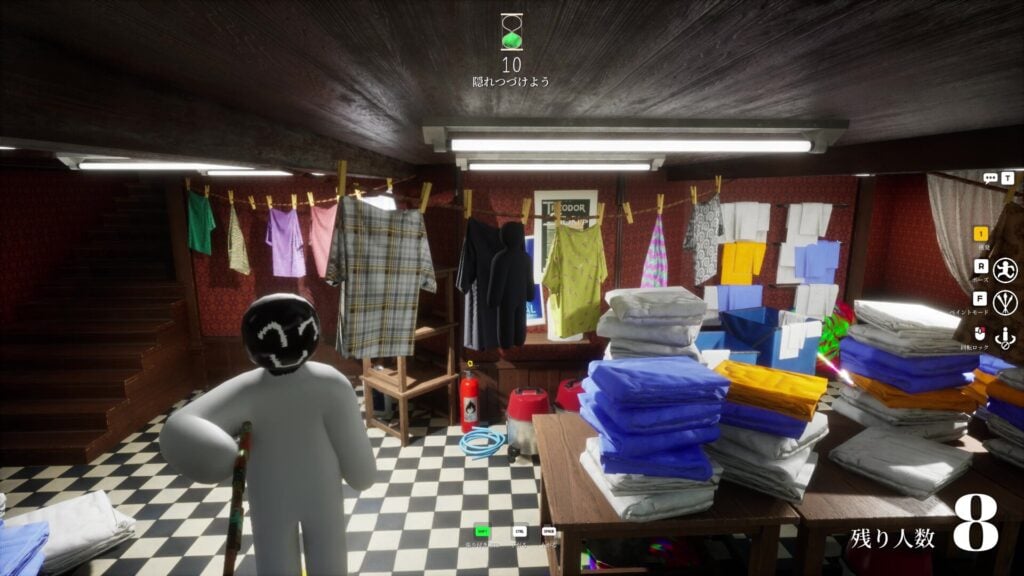
The slightest movement after the hunt phase fires gives away even the best paint job. Once your pose is locked in, don’t move at all: no camera glances, no position adjustments, no panic when a Seeker walks past. The golden rule of the game stays simple: a still Hider with an average paint job outlives a perfectly painted Hider who flinches at the last second.
This discipline takes practice, especially in those moments when a Seeker drifts within a few pixels of your spot. The urge to move is instinctive but almost always fatal. Slow your breathing, lock your eyes on a fixed point on screen, and accept that you have zero control during the hunt. Your only weapon is the illusion you set up during prep.
The worst habit Seekers pick up is scanning too fast. The subtle giveaways like a shadow facing the wrong direction, a brush stroke that doesn’t continue into the background, or a prop-shaped silhouette in a spot where that object has no business being are invisible at speed and obvious at a deliberate pace. Carve every room into clear sections and work through them methodically.
The sharpest inspection order follows a clear hierarchy: hit the corners and wall edges first, then the larger props, then the elevated spots, and end with floor-level objects. This method keeps you from circling back to areas you already cleared and missing the spots that are genuinely tough to spot. With this discipline, your Seeker matches get drastically more efficient and your win rate climbs fast.
Strong Seekers don’t chase wrong colors, they hunt visual errors. The best Hiders get their color close enough that a color-focused scan misses them every time. Train your eye on the visual logic mistakes paint can’t cover up. Here are the giveaways to prioritize when sweeping a room:
This visual-error approach flips your effectiveness as a Seeker entirely. The more matches you log, the faster your eye flags these anomalies, and the most creative Hiders turn from your worst nightmares into your favorite targets.
Public matches are still the fastest way to rack up real experience. Expect a wide spread of skill levels and ridiculously creative hides you’d never have come up with on your own. Private lobbies suit playing with friends, walking newer players through the mechanics, or testing a specific map without competitive pressure.
The game supports 2 to 10 players per match. For friend group sessions, the most important habit stays confirming everyone is on the same version before the first lobby, since one outdated client breaks matchmaking entirely. Custom maps and Workshop content exist but they’re worth holding off on until you’ve put hours into the official maps. The fundamentals you build on base maps transfer everywhere.



Scroll gaming news
Salut ! Moi c'est Barnabé, l'assistant gaming de RetroGems ! Pose-moi tes questions sur les jeux vidéo, les actus ou le contenu du site. Miaou ! 🎮
Tapez pour rechercher
Comments
Log in to comment
Continue with GoogleBe the first to comment on this article!