

Discover Gemstream
Scroll gaming news

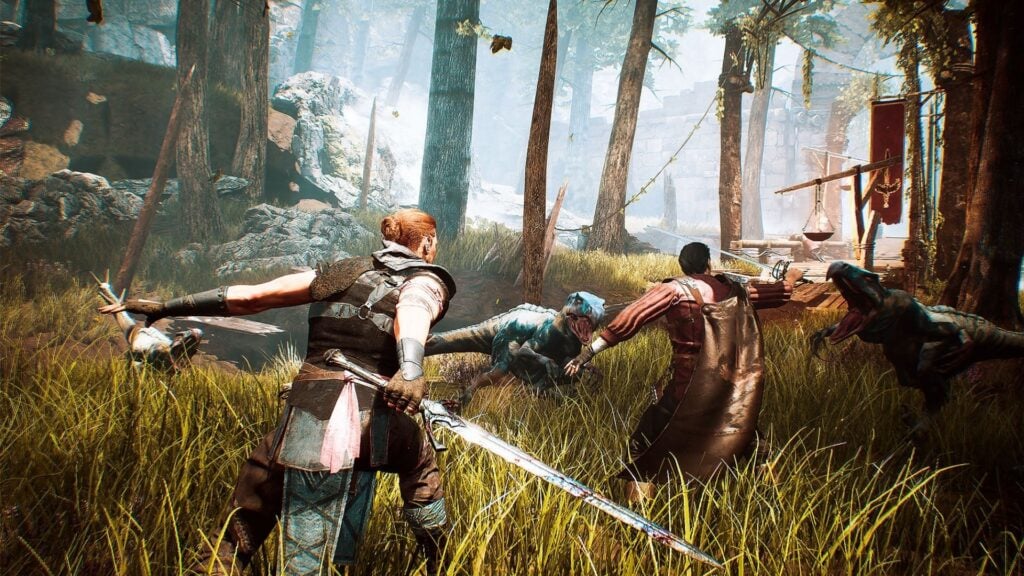
Gothic 1 Remake from Alkimia Interactive and THQ Nordic breathes new life into the cult RPG by Piranha Bytes originally released in 2001. Available since June 5, 2026 on PC (via Steam and GOG at $49.99), PlayStation 5 and Xbox Series X|S (at $59.99), this remake powered by Unreal Engine 5 fully embraces the brutal DNA of the original. Tested on PC with an RTX 4090 and 64 GB of RAM, here’s our verdict.
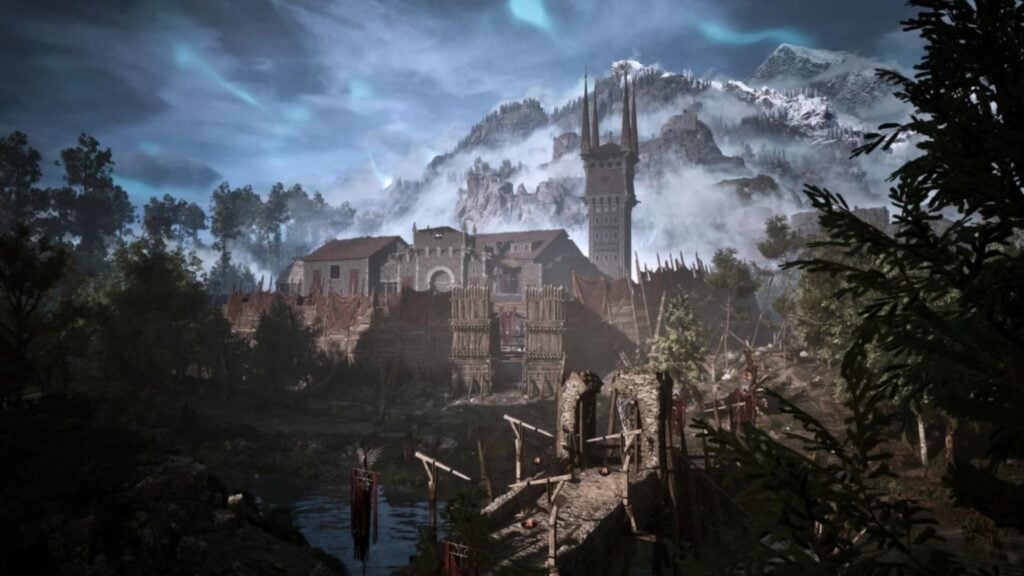
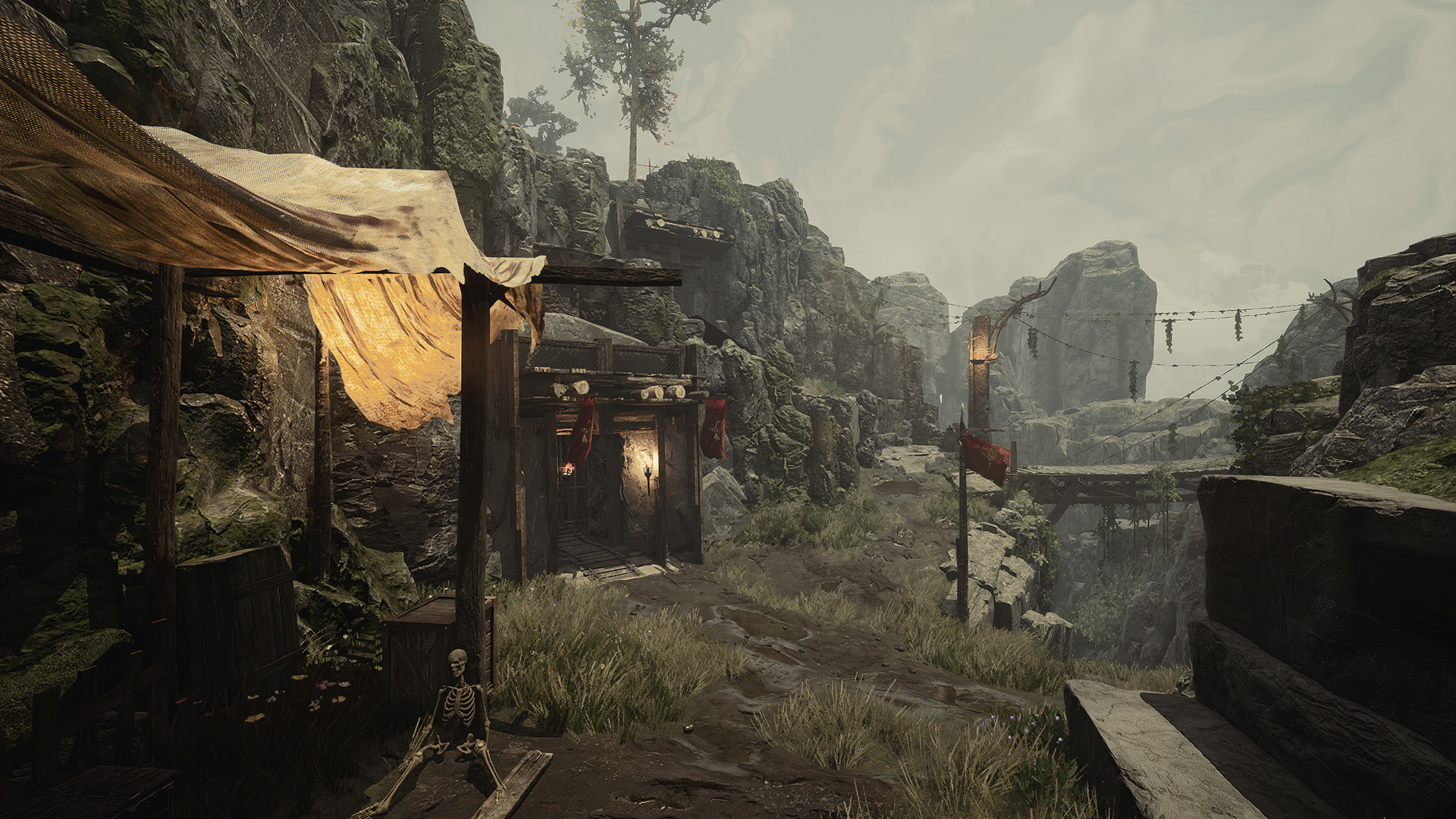
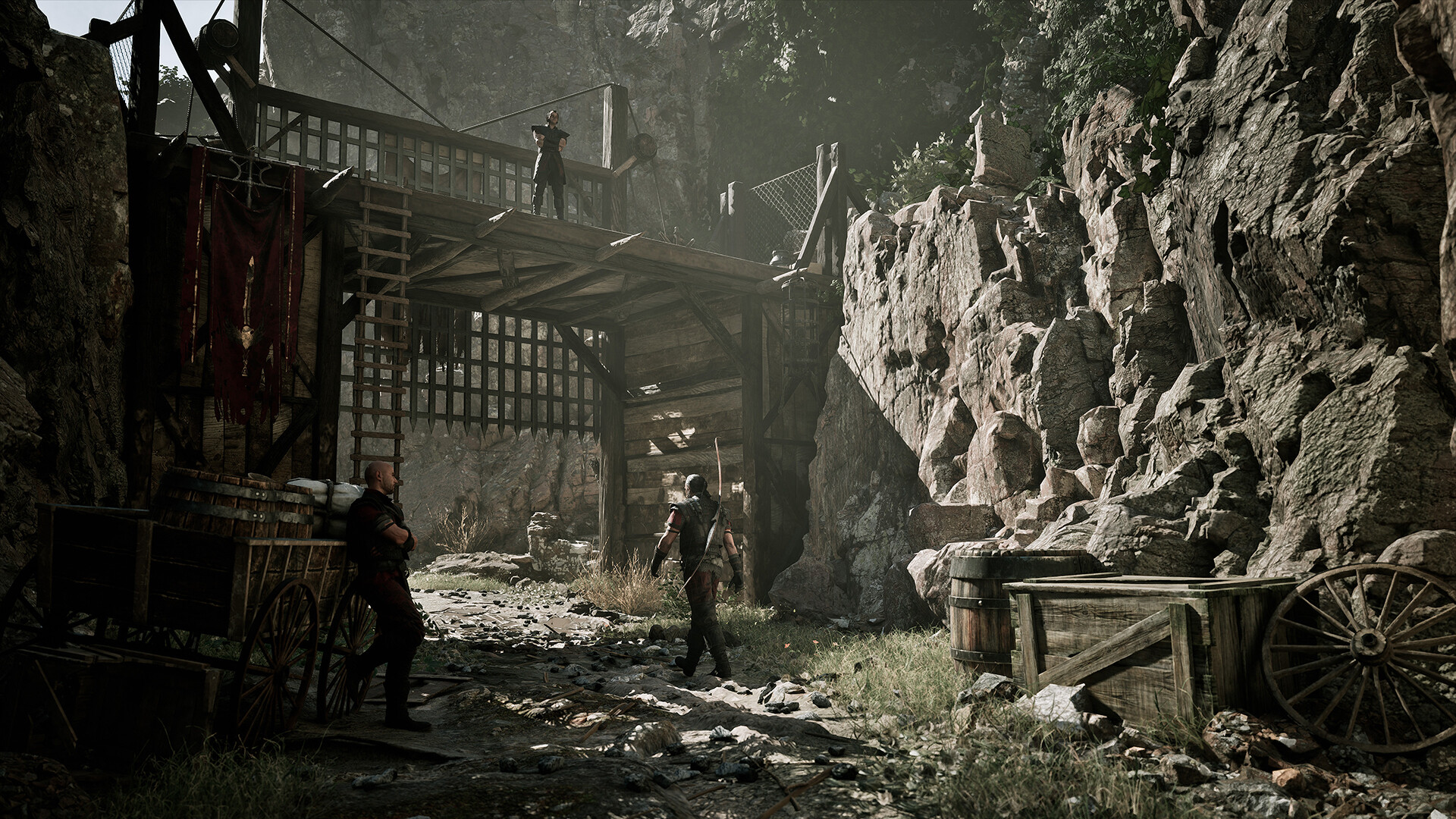
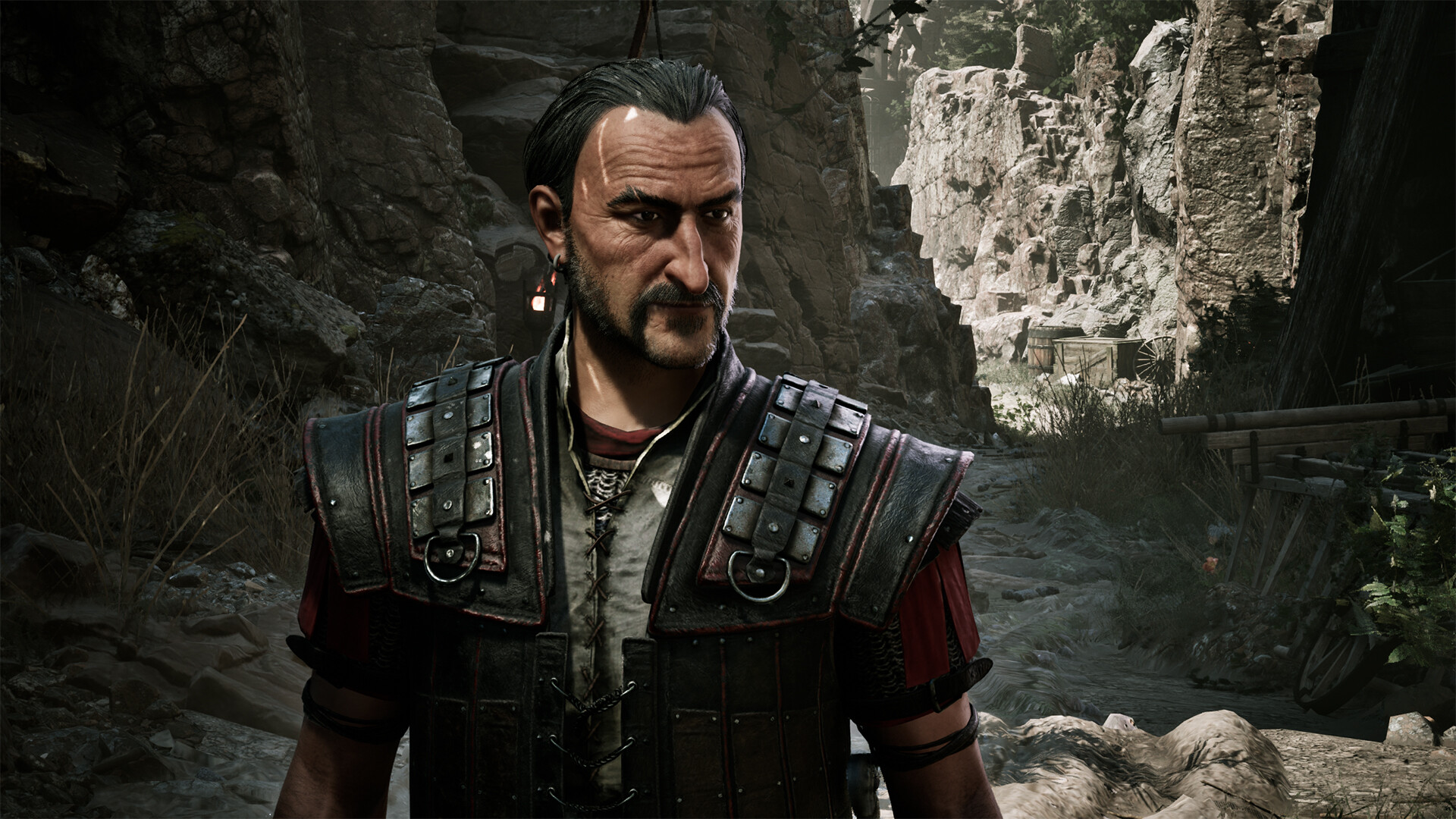
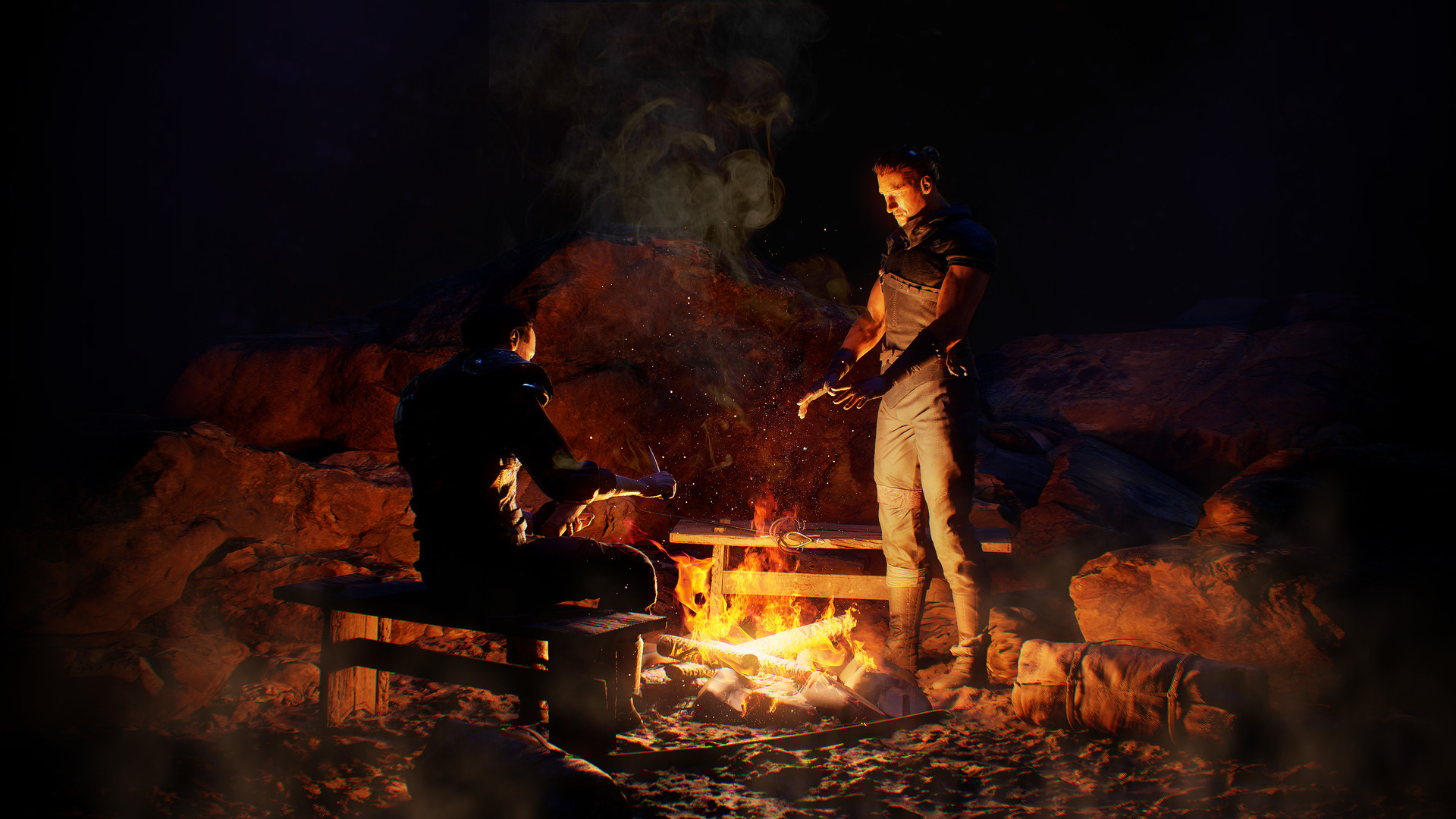
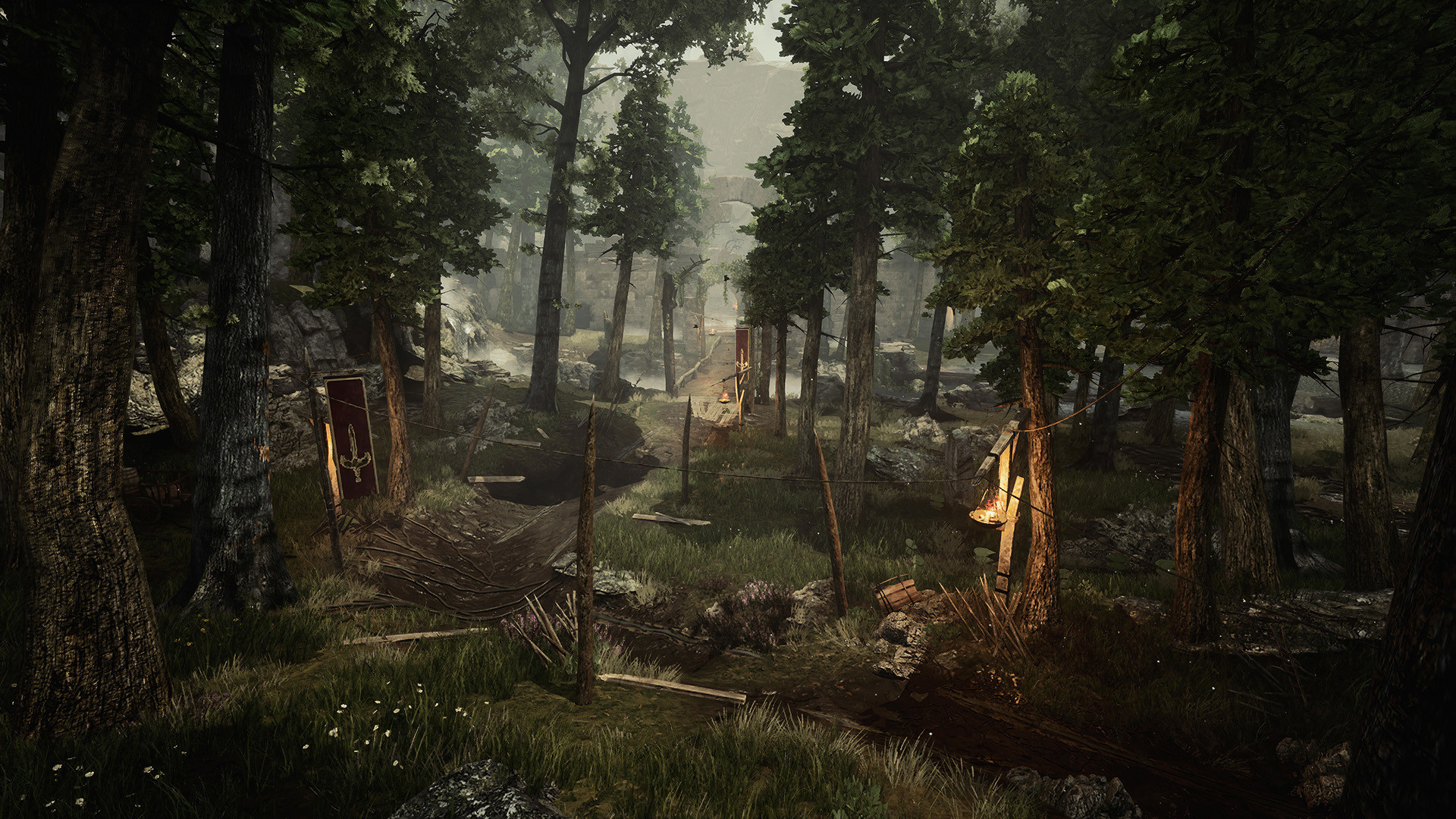
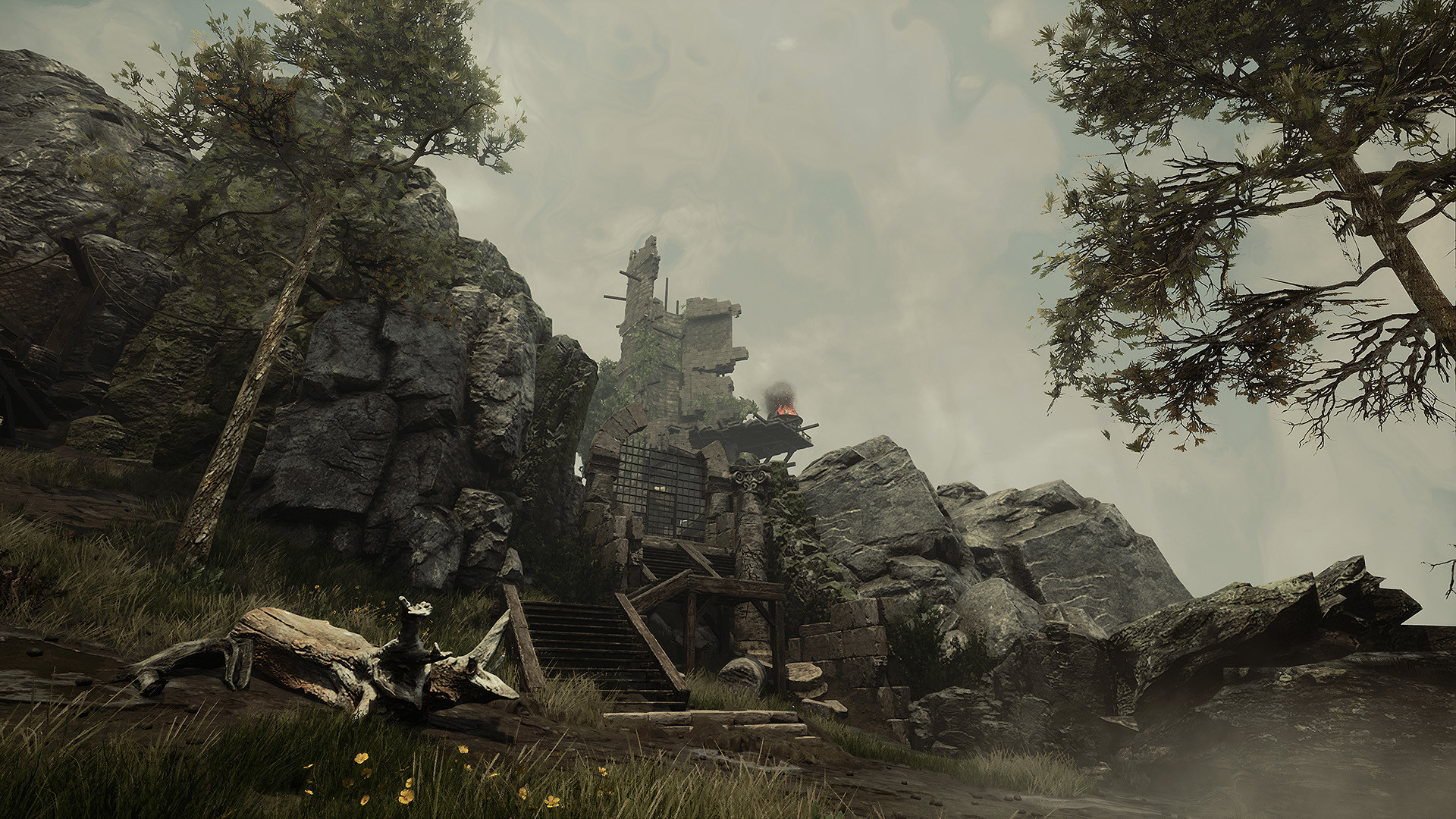
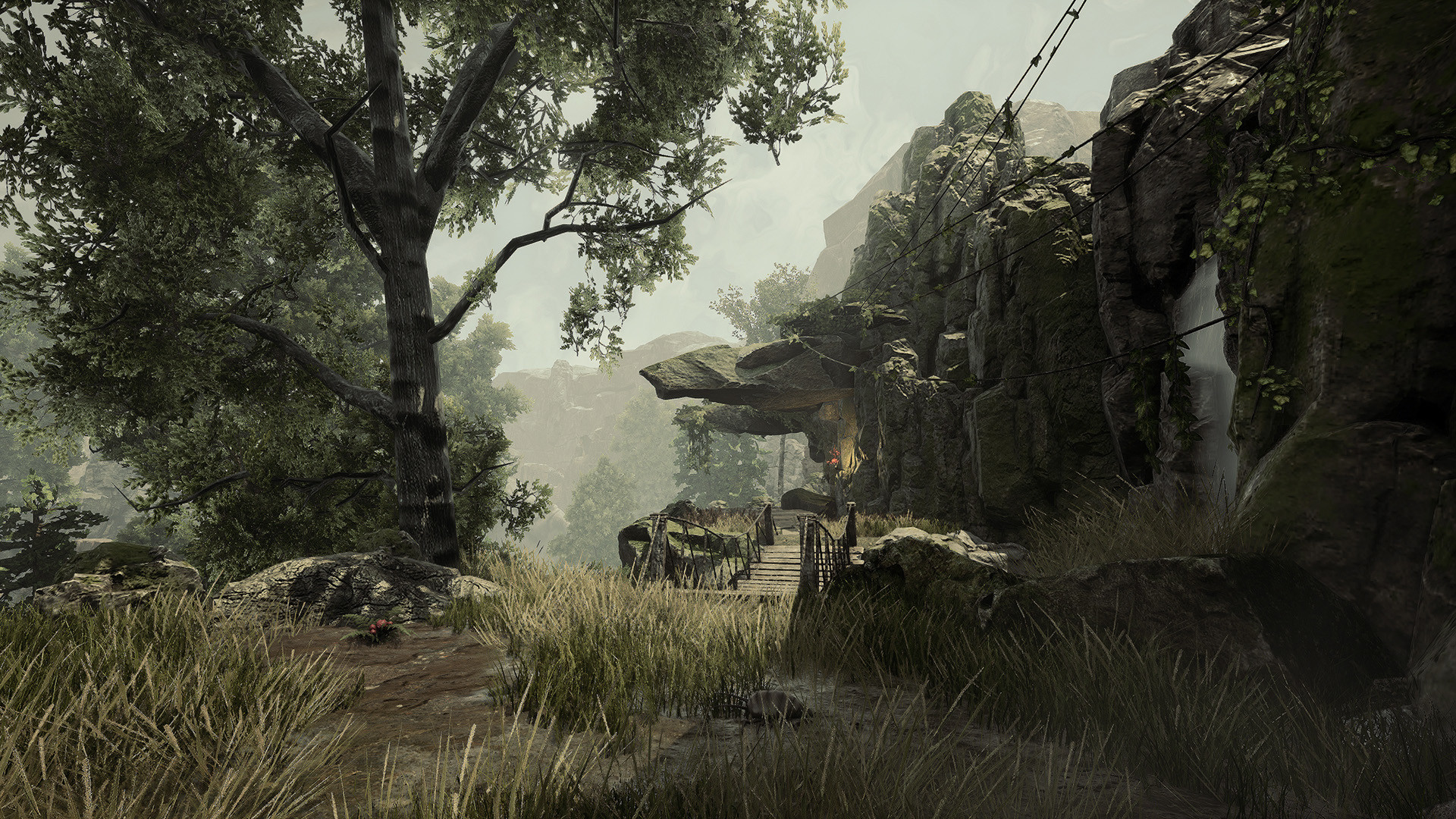
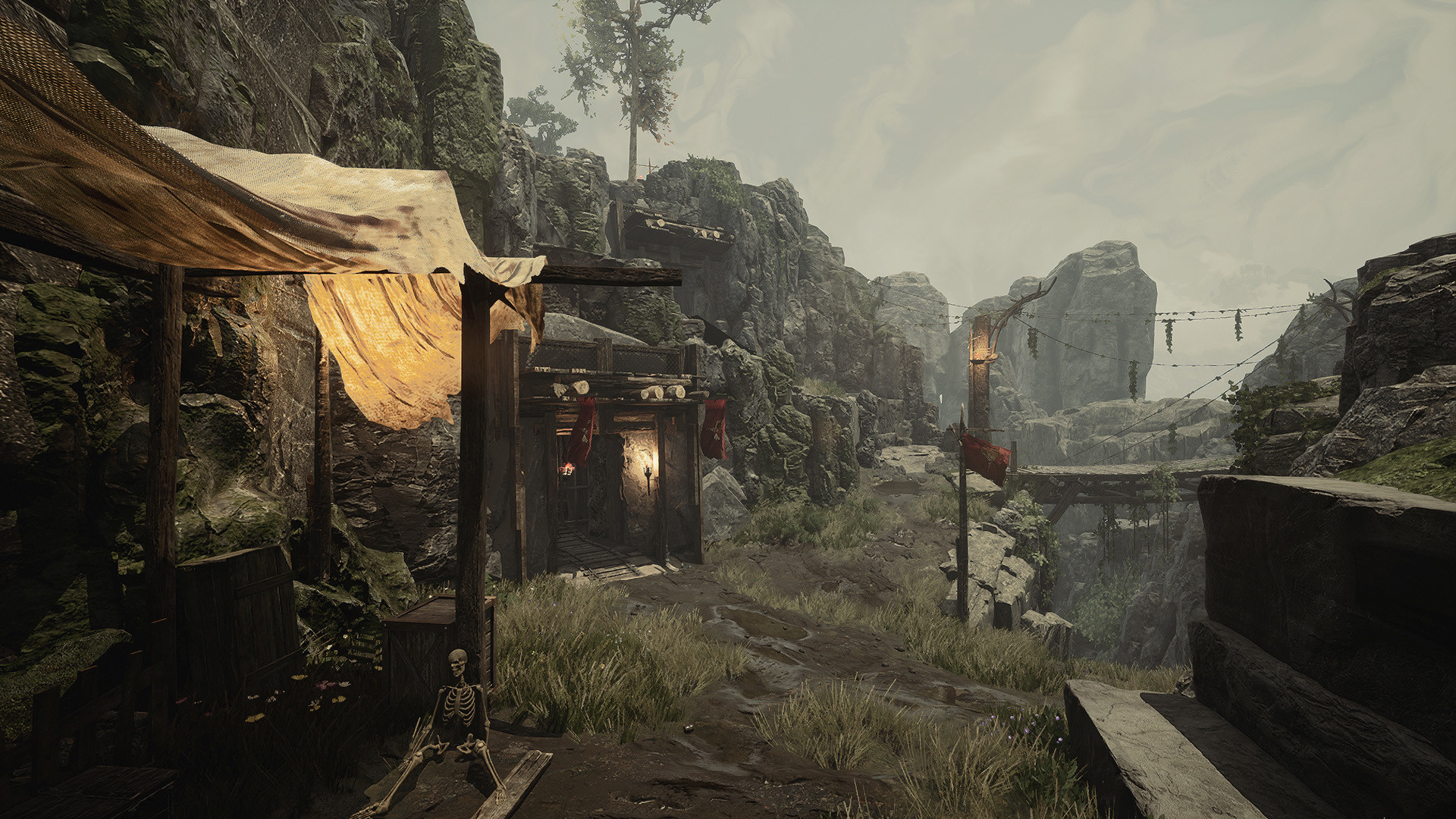
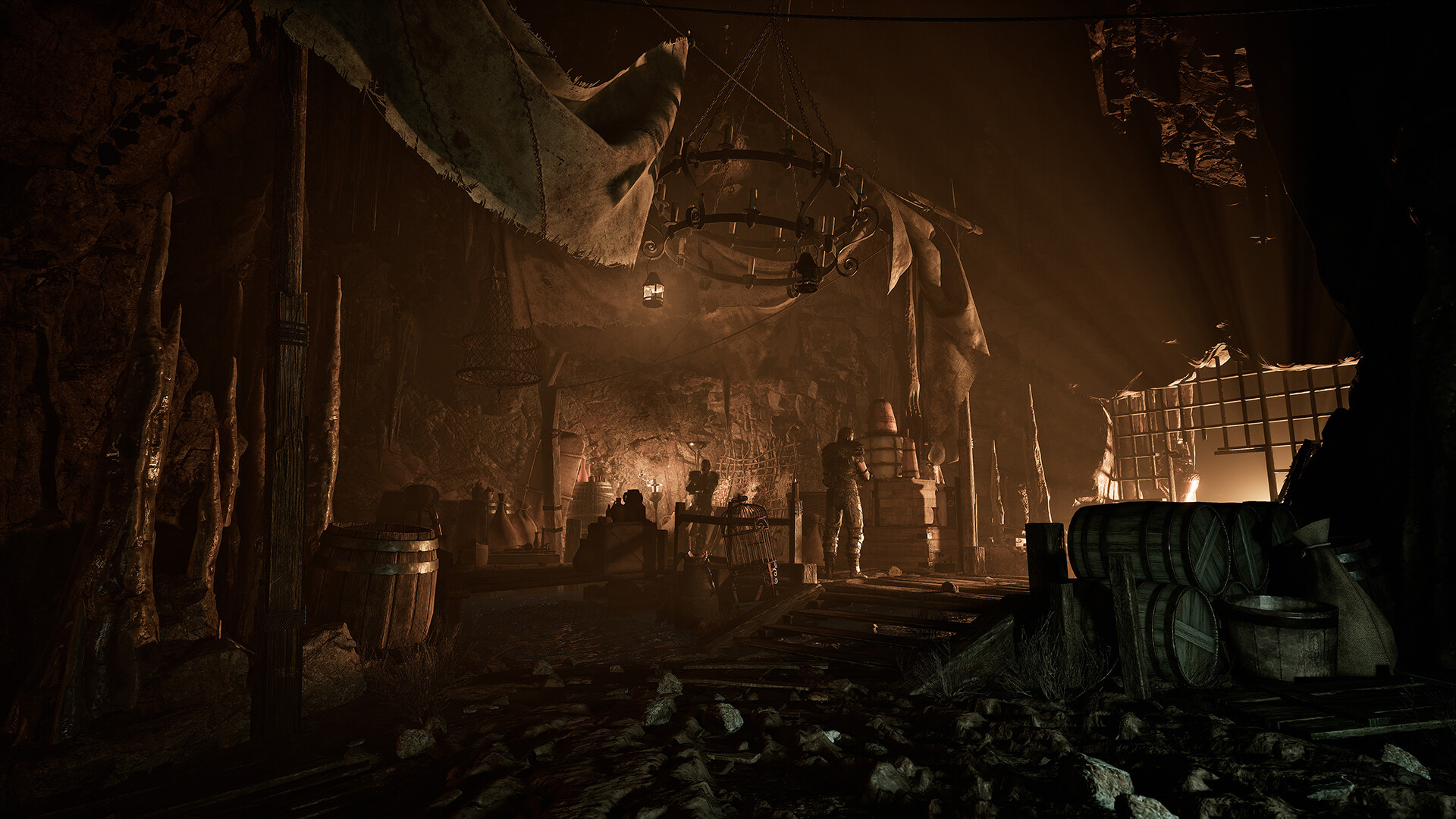
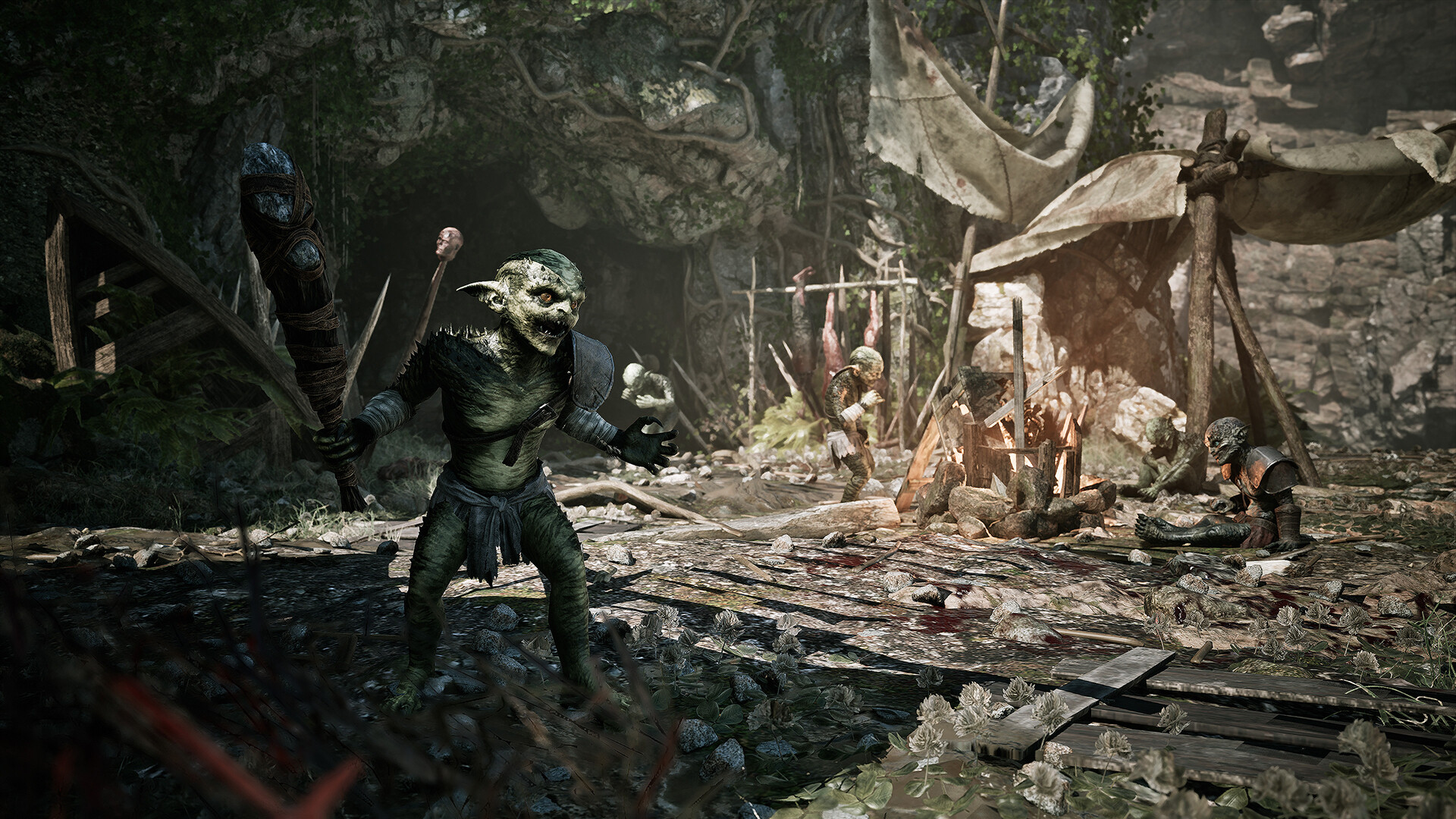
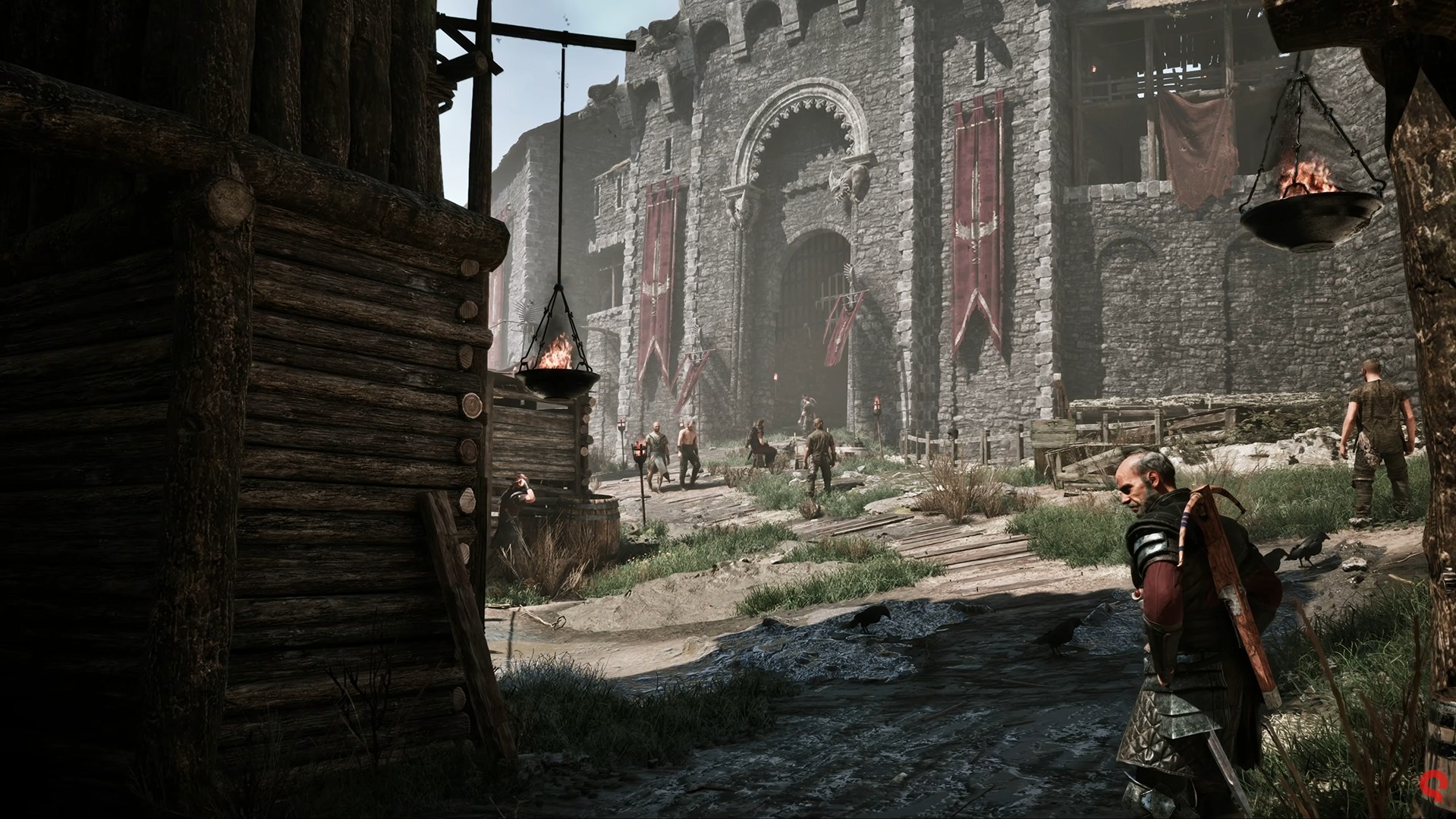
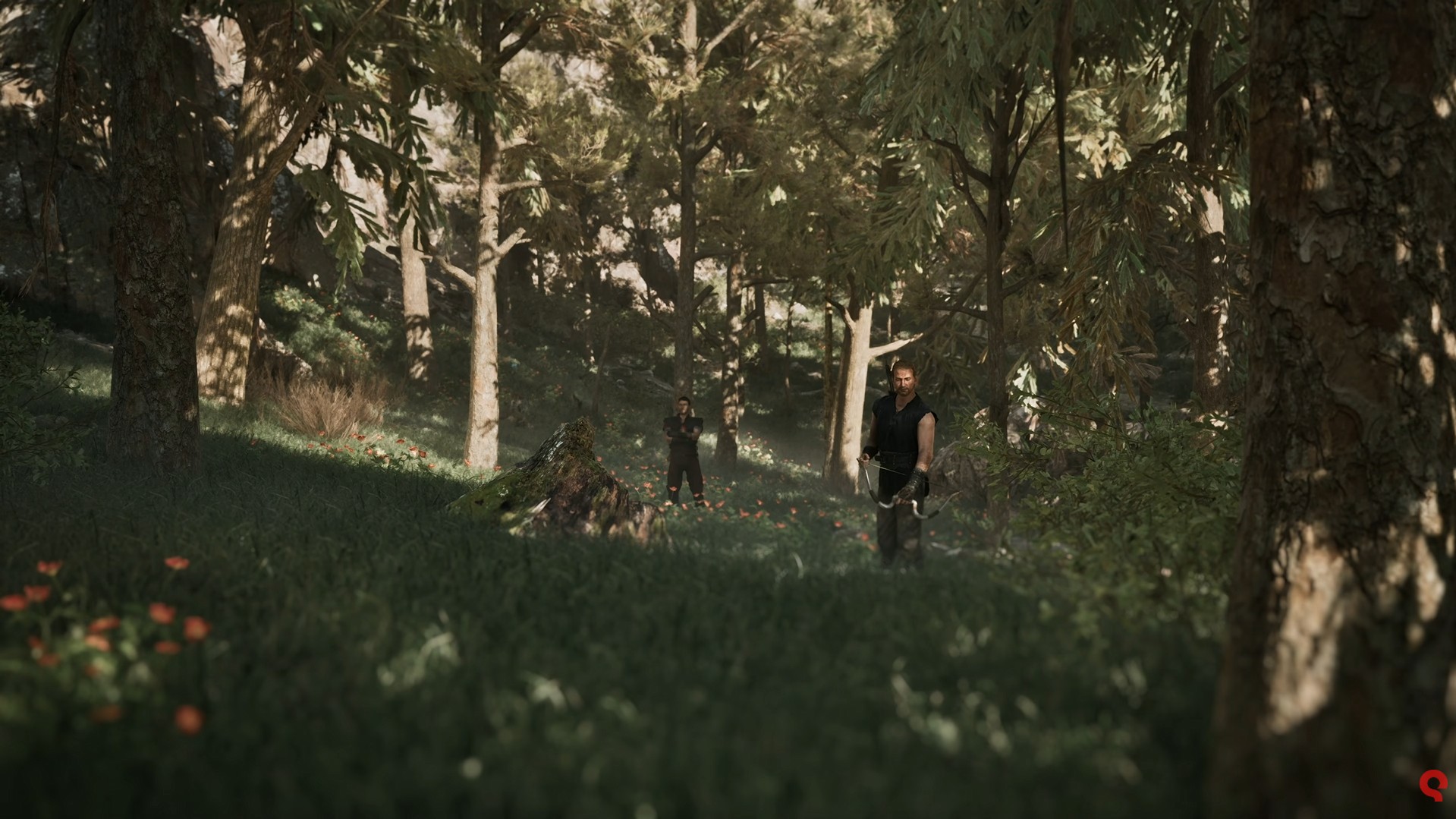
Alkimia Interactive nailed the DNA of the Gothic series and even elevates it on several fronts. The Colony reaches a dimension it never quite hit in the original game, with a heavy, oppressive atmosphere fueled by elements the 2001 release could only dream of. Dynamic weather turns the Valley of Mines into a character in its own right, scarabs crawling across rocks add organic life to environments, and the polished lighting work makes every alley of the Old Camp feel tangible. It’s literally a work of recreation that propels the franchise into a new standard, one that meshes perfectly with what made Piranha Bytes‘ original tick.
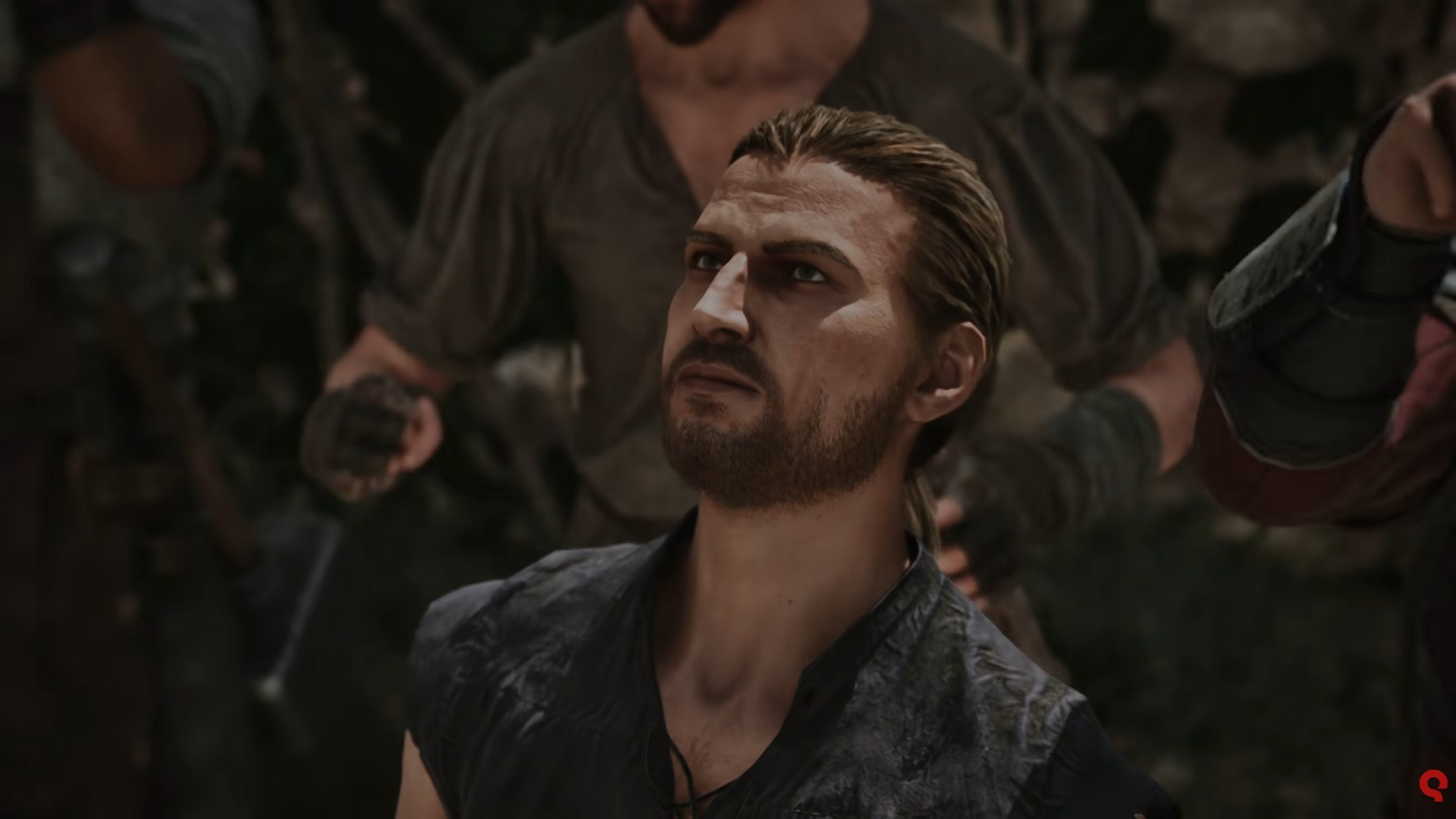
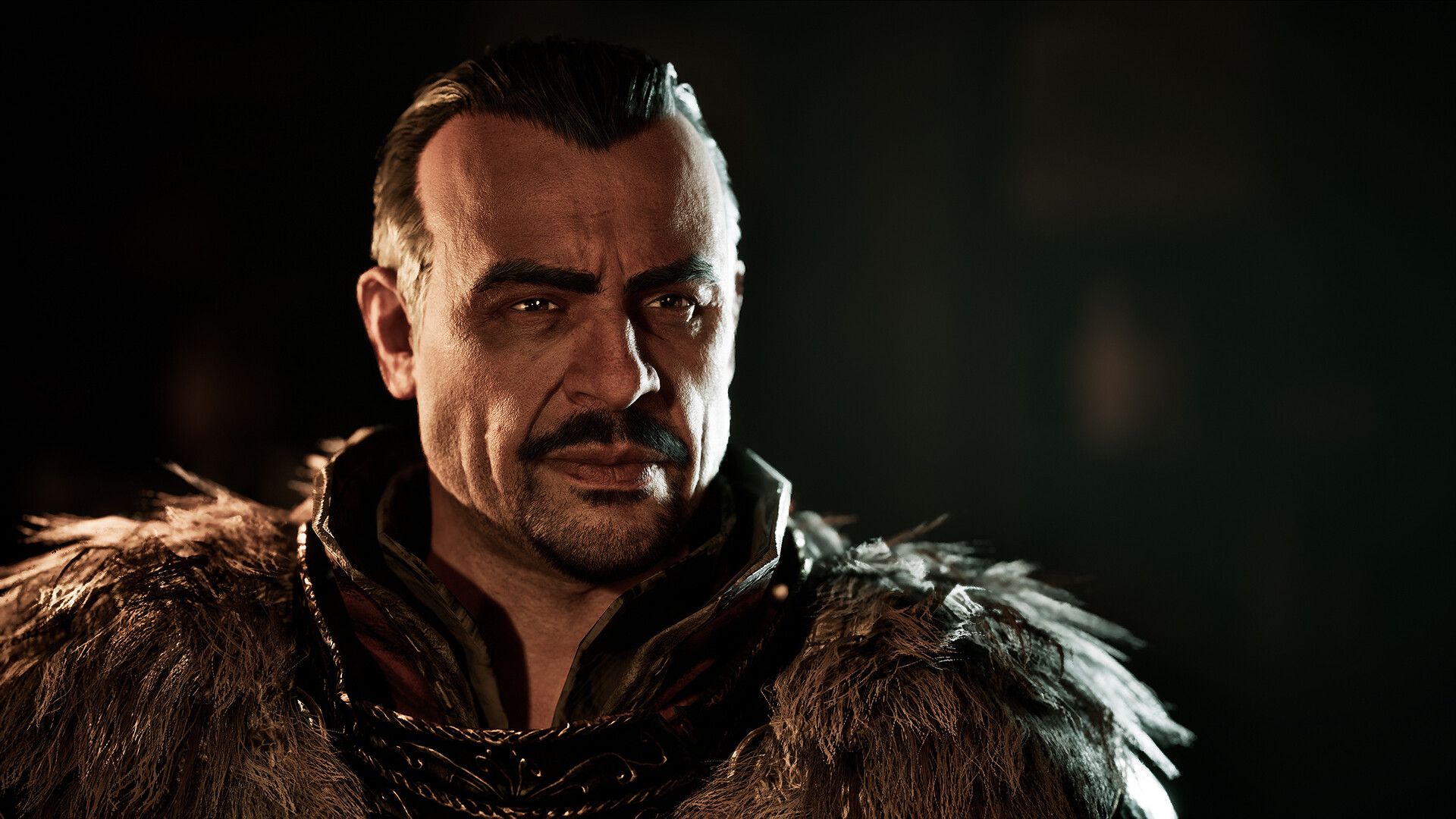
The work poured into the dialogues alone deserves a standing ovation. The English voice acting is on point, ultra-coherent with the NPCs and their respective accents, and the camera angles that switch between characters during exchanges make conversations feel alive. This represents a substantial chunk of playtime, and Alkimia Interactive made the smart call to invest heavily in this dimension. The facial animations aren’t quite triple-A budget territory, but they hold up just fine and actually make you want to follow conversations to the end, which few modern RPGs pull off. Just a heads-up: the game ships with no other language dubs, English voices only with localized subtitles.
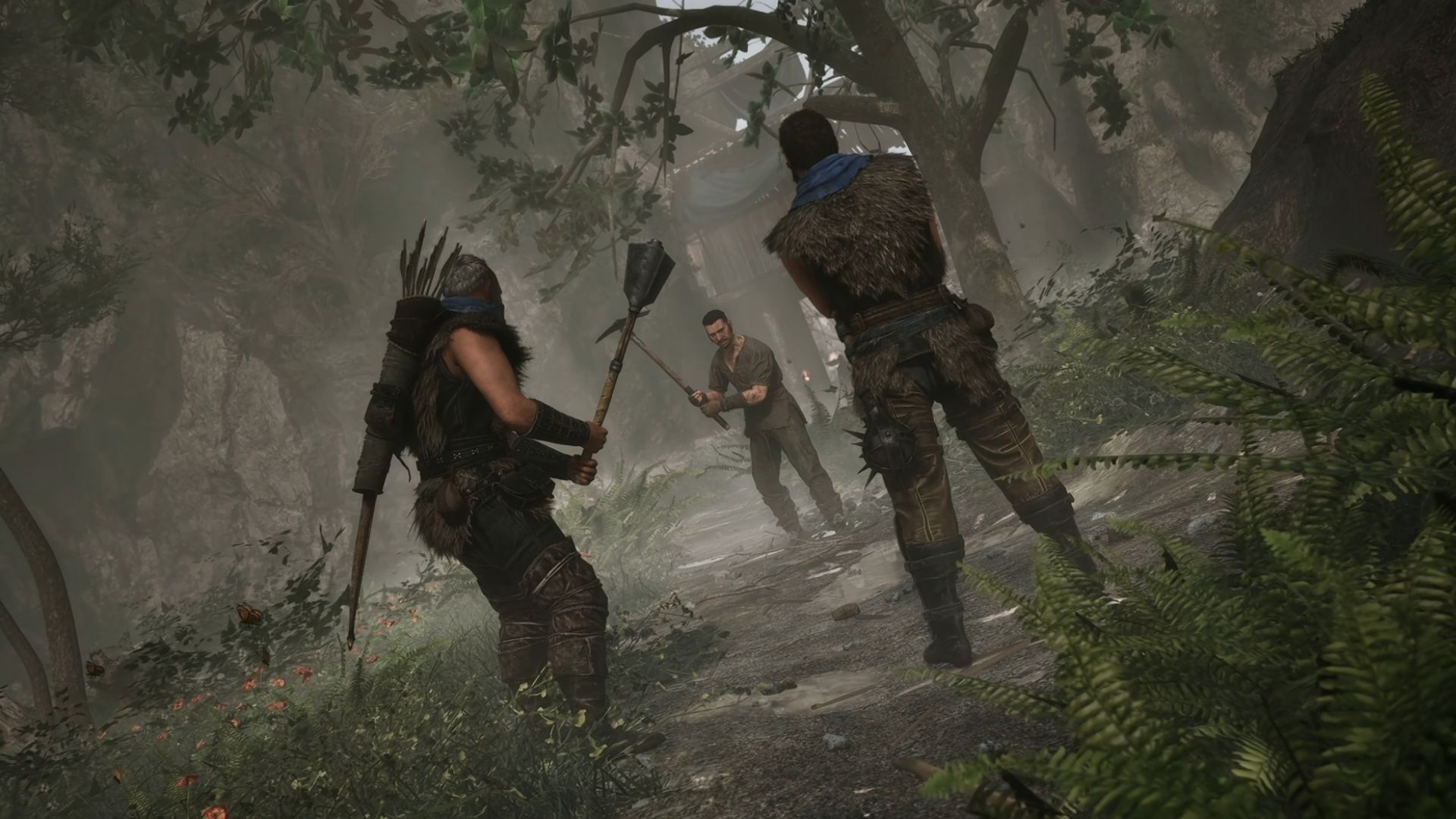
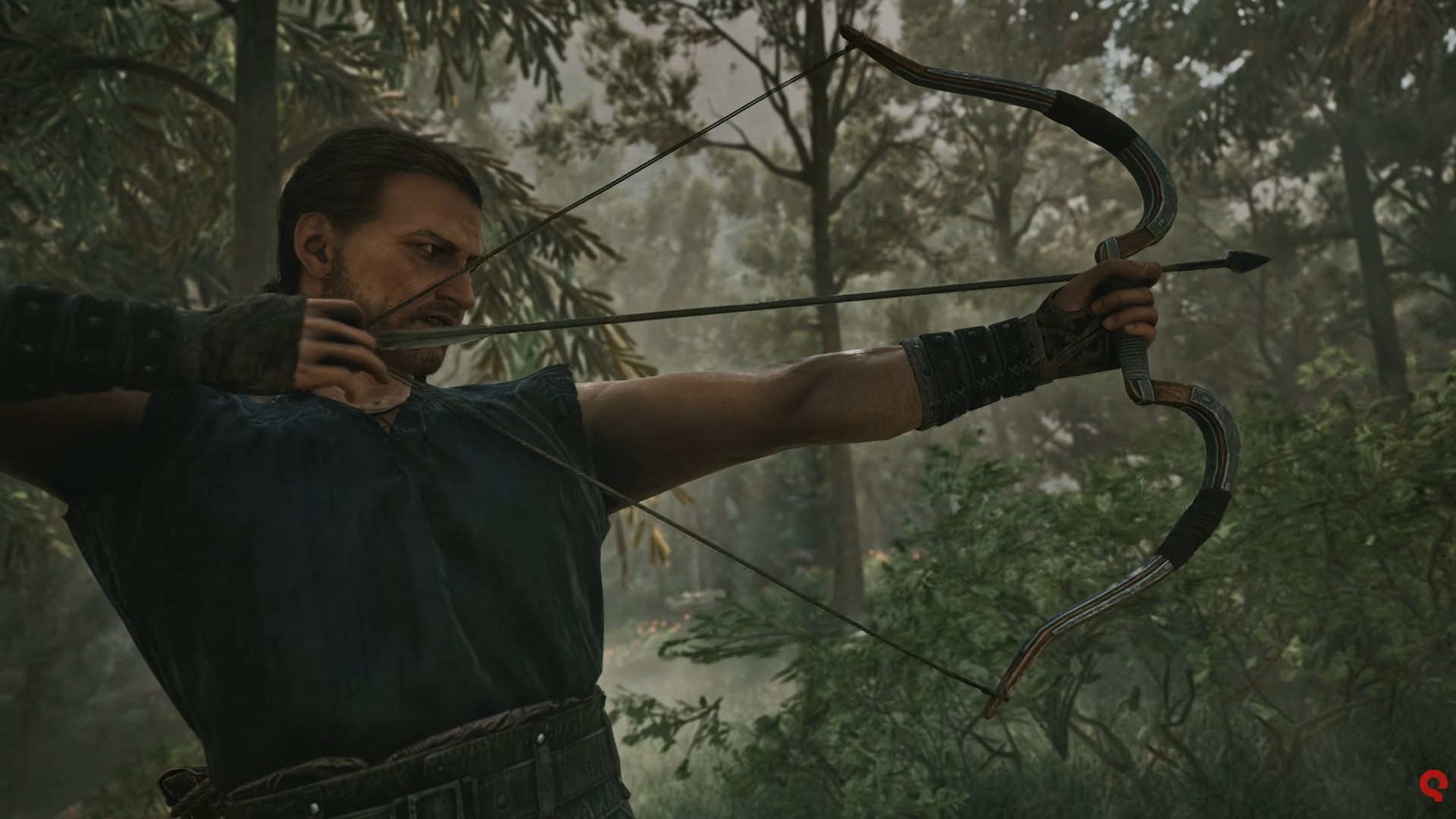
Character modeling is modern, environments are packed with detail, and the whole thing radiates a rare visual cohesion. Where the original offered flat, polygonal geometry, this remake delivers a true artistic translation of the Colony‘s universe. This is the spot where Gothic 1 Remake genuinely lives up to its ambition, and where the promise of a remake worthy of the source material delivers without compromise.
Alkimia Interactive bolted on several genuinely useful additions that make the game’s intro vastly more approachable for a broad swath of players. Where the original dropped you into the magic barrier with an implicit « figure it out yourself », the remake hands you guide NPCs who walk you to the various faction camps, killing monsters along the way and chatting you up as you go. You can literally spend hours without fighting anything, just following and talking, which would’ve been unthinkable in the 2001 release. This intro device strips out massive amounts of frustration for newcomers without softening the game’s underlying harshness.
The studio also tacked on a climbing skill that didn’t exist at all in the original. Once you track down the trainer, the Nameless Hero can jump and grab certain types of walls to unlock entire zones and hidden spots. This mechanic adds a vertical layer to exploration and rewards curious players who take the time to scan every cliff face. The interface has also been reworked with an NPC Glossary and a quest journal organized into subcategories to help you navigate the world’s complexity, without falling into modern hand-holding with markers plastered everywhere.
Movement also feels noticeably smoother than in the original. The camera rotates faster, character animations are more fluid, and combat gains in responsiveness while keeping an intentional weight to it. Load times of roughly two seconds are remarkable for a game of this scope, which matters a lot when you die as often as you do in Gothic. These modern tweaks stay aligned with the original’s philosophy, and Alkimia Interactive pulls off the balancing act of modernizing without watering down.
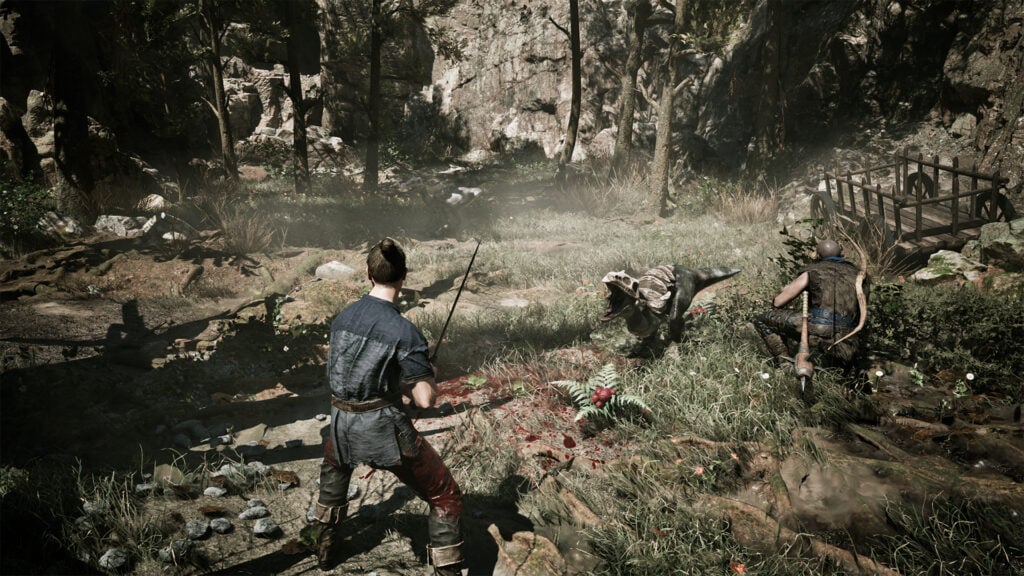
Gothic 1 Remake stays fundamentally an old-school RPG that makes zero concessions on its core philosophy. No auto-map, no quest markers, no hand-holding. You get a journal that recaps what NPCs told you, and the rest is on you to dig out. Progression can crawl, and certain quests demand hours of searching without any guarantee of immediate payoff. Difficulty runs high and punishing, with enemies that can one-shot you without warning if you wander into a zone too early. The Nameless Hero is no hero, he’s a lowly prisoner sent to deliver a message and it’s on you to prove your worth.
This philosophy is exactly what makes every interaction and every fight feel weighted with stakes. The smallest level gained, the slightest weapon upgrade, the most minor quest cleared can radically unlock what comes next and snowball the benefits you reap. Exploration is the game’s most addictive layer, with that dense level design where every chest picked, every amulet pulled off a corpse and every decision to return it or keep it for yourself actually matters. Alkimia Interactive restores those exploration hubs tied to every human and every quest, where most modern action RPGs settle for stringing together Fedex missions.
The infiltration and theft system is particularly well-tuned. The moment you step into someone’s house, NPCs go aggressive, and stealing is brutally hard early on until your skills come up. This avoids the pitfall of Gothic 3 where theft was trivially exploitable. The game pushes you to watch closely, listen to the dialogues, dig into investigations, and pay attention to every element thrown at you. The mere name of an important NPC can radically push your main quest forward, and beating up a guy who turns out to be the fence for a wealthy merchant can kick off an entire unexpected narrative arc. We’re miles away from genre clichés here.
Not every drawback comes from the assumed old-school stance, though, and some carried over from the original would’ve genuinely benefited from a coat of polish. Lockpicking is brutal at the start and remains the most frustrating element of the game. Until the skill is leveled, you can spend twenty minutes on a single chest with this constant false hope that you’ll crack it. The rewards are sometimes cool, but this rhythm break while you try over and over completely tanks the gameplay flow. It’s exactly the kind of system that would’ve gained from being softened without watering down the overall difficulty.
Poorly documented backtracking is the other source of recurring frustration. Some quests require you to guess that you need to use a specific spell on a specific NPC with zero indication, and you can wander for three or four hours without figuring out where to find the spell in question. The lengthy forge animations are equally tedious, with NPCs standing still for several minutes in front of you to cool down their sword. There’s a difference between a game that takes its time with atmosphere and a game that forces you to wait through a pointless drawn-out animation. These accumulated frictions remind us that Gothic has never been the most player-time-respecting RPG.
Another negative point ties to the modernization itself. With such a high level of environmental detail, it becomes noticeably harder to spot lootable items in the scenery, whereas the original’s flat polygons made spotting easy. The functional dialogues typical of Piranha Bytes games are also preserved, with that slightly textbook writing from the 2000s where NPCs frontally ask you « Could you help me with this? ». In 2026, this very RPG-mechanical vibe stings a bit and would’ve deserved more organic writing.
PC optimization is probably the most striking letdown of this remake. On a setup packing an RTX 4090 and 64 GB of RAM, the game struggles to hold 45 to 50 FPS at 4K with DLSS Performance enabled and graphics settings dialed to medium in places, which is flat-out unacceptable for a machine of that caliber. Only enabling frame generation lets the framerate climb to a stable 70 to 80 FPS, but that technological crutch shouldn’t be mandatory for running a remake of a quarter-century-old game. Mountainous zones and storms hit the framerate especially hard, and the game runs awfully on a standard HDD.
Bugs are also numerous at this stage. NPCs that suddenly pop in front of you mid-action chopping invisible wood, weapons that refuse to swing despite the combat animation playing, or combo chains that break for no reason show up regularly. Enemy AI also falters at times, with opponents freezing or reacting incoherently to your presence. None of these issues is individually game-breaking, but their pile-up eventually weighs on immersion and reminds us that Alkimia Interactive could probably have used a few extra months to polish the final product.
For players looking to bypass certain friction or just experiment with the game after their first playthrough, our complete cheats and console commands guide details how to enable the Marvin Mode via a Nexusmods mod. For players wanting to maximize their farming from the early hours, our Ore Nuggets farming guide and our complete map of the Colony’s caves deliver the resources needed to avoid getting stuck.

Scroll gaming news
Salut ! Moi c'est Barnabé, l'assistant gaming de RetroGems ! Pose-moi tes questions sur les jeux vidéo, les actus ou le contenu du site. Miaou ! 🎮
Tapez pour rechercher
Comments
Log in to comment
Continue with GoogleBe the first to comment on this article!