
Discover Gemstream
Scroll gaming news


Starting strong on GOALS comes down to making the right calls in the very first minutes. Here’s our complete guide to building a competitive team without wasting time or points.
GOALS runs on a points system that lets you buy packs to grow your squad piece by piece. Points come in through four main channels: playing matches, selling players directly back to the game, clearing challenges on a daily and weekly basis, or performing in the competitive modes Ranked, Tournaments, and Knockout. The tougher the mode, the bigger the rewards on the table.
The system then breaks down into seven rarity tiers based on the overall rating of a player card:
Once your squad is solid with Uncommons and Rares, exploring Premium packs with better odds on top-tier cards becomes worth the spend. Worth noting that The Arena mode won’t hand you any points, but still earns its keep by pushing challenge progress and letting you test the controls.
Before throwing yourself into competitive play or even tackling tougher Scenarios, getting a real handle on GOALS‘s mechanics against the AI on beginner difficulty is the smart move. The learning curve is deliberately steep, and walking straight into human matches usually ends in a string of losses that teach nothing.
The best routine is to chain a few games against the AI with a clear target in mind, like scoring at least five goals per match while testing dribbling moves, finesse shots, and passing patterns. It’s also the right window to lock in defensive instincts that rely on positioning rather than mashing the tackle button. A mistimed slide tackle near the box turns into a costly foul, while smart defender placement triggers the auto tackles that actually work.
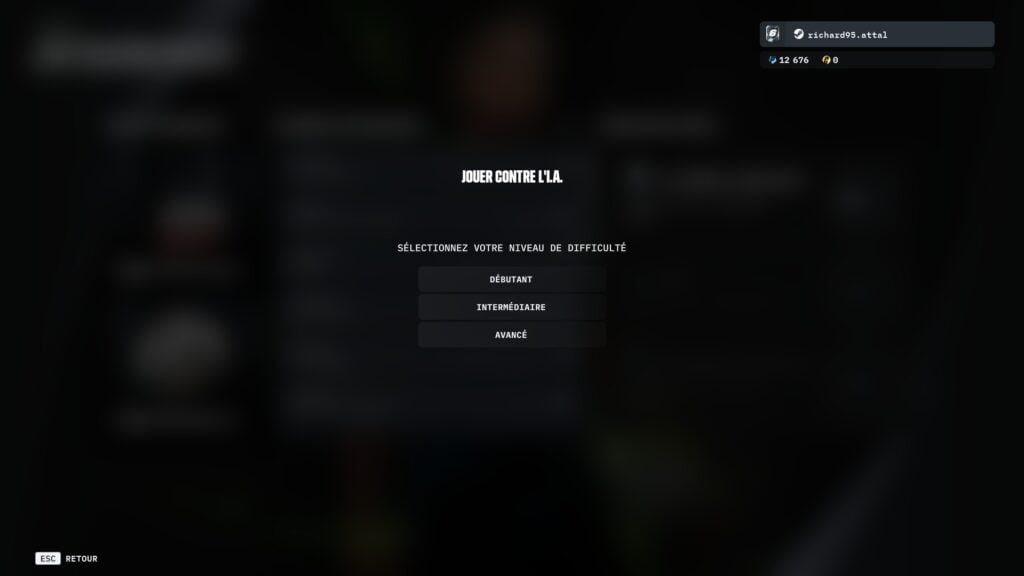
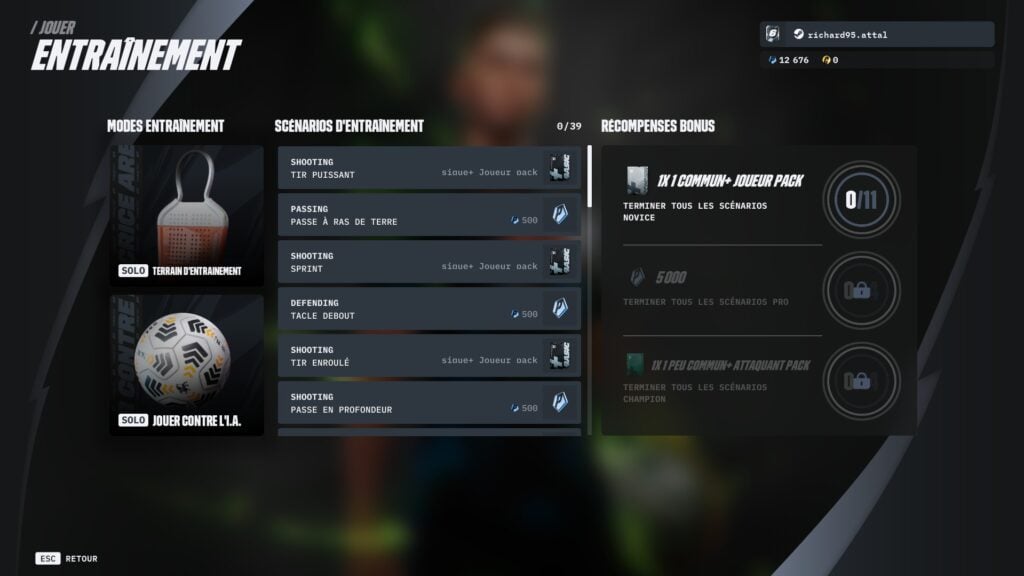
Once the controls feel natural, the next step is grinding through the Scenarios laid out in the official tutorial. These training scenarios with progressive difficulty teach the core mechanics of the game and unlock the first set of rewards needed to kickstart a real squad.
The very first Scenario asks you to open your starter pack from the Store, then discard the lowest-rated card you find. It’s a non-negotiable step that ticks off the initial challenge and unlocks the next batch of rewards. Clearing every single Scenario stacks up enough points to get rolling without ever pulling out a credit card.
This is a sleeper tip that’s wildly effective for speeding up early progress without grinding matches. GOALS ships with several sources of free packs that don’t ask for a single minute of active play. The Daily Pack drops a free Basic+ Pack every 24 hours, claimable straight from the Store with zero conditions or prerequisites.
The official GOALS Companion App on iOS and Android lets you open packs and manage your squad straight from your phone, even when the console or PC is out of reach. Twitch Drops reward stream viewers with extra packs, basically letting you stack cards by watching a few hours of gameplay on Twitch.
Linking a Discord account to GOALS also unlocks seven vanity roles (from Basic to Mythic) that track your progress in-game and will tie into future rewards based on the studio’s planned updates.
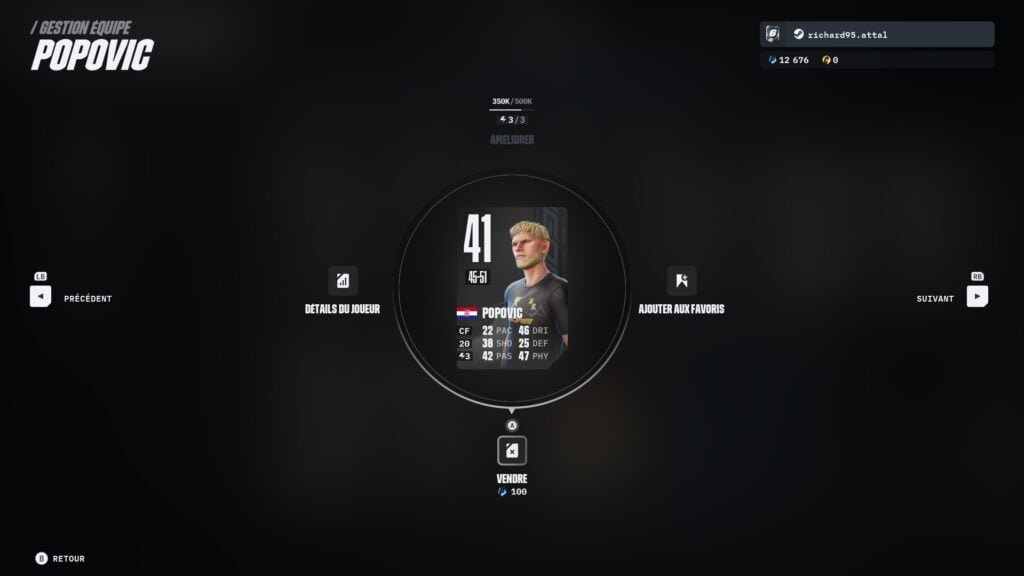
Selling cards is officially the fastest way to rack up points in GOALS, and the Goals AB documentation hammers the point home. Unlike EA Sports FC where Ultimate Team runs on a player transfer market with all its speculative quirks, GOALS lets you sell straight back to the game and pocket the card’s value in points on the spot.
The reflex to lock in from the first hours is to sweep through your inventory regularly and flag cards that are unused, duplicated, or simply outclassed by new pulls. Selling them feeds the club’s internal economy and funds fresh pack openings without depending on the luck of match rewards.
One of the most common rookie mistakes is sinking those first points into cosmetic items like celebrations, kits, or card designs. These purchases work fine deep into the progression but read as pure waste in the opening hours, when every pack opened can flip the dynamic of a roster.
Every pack available in the Store should take priority over cosmetics in the early game. The Basic+ Pack at 2,500 points stays the best entry point with five cards and bumped odds on Uncommons and even Rares, exactly the tiers needed to push the team rating past 60 quickly. Once the roster firms up, the Premium packs become worth chasing for Epic, Legendary, and Mythic cards.
A classic trap is building a lineup purely on the overall rating slapped on the card. In GOALS, individual stats carry as much weight as the overall number, sometimes more, and it’s not rare to see an Epic card sitting lower in its band outperform a Legendary with a higher rating in a specific role.
The right reflex is to dive into the edit team menu and audit every slot based on the playstyle you actually want. A central midfielder needs passing and vision, a winger leans on pace and dribbling, a center back wants aggression and aerial duels. Matching each card to its real role on the pitch unlocks performance the rating alone could never deliver.
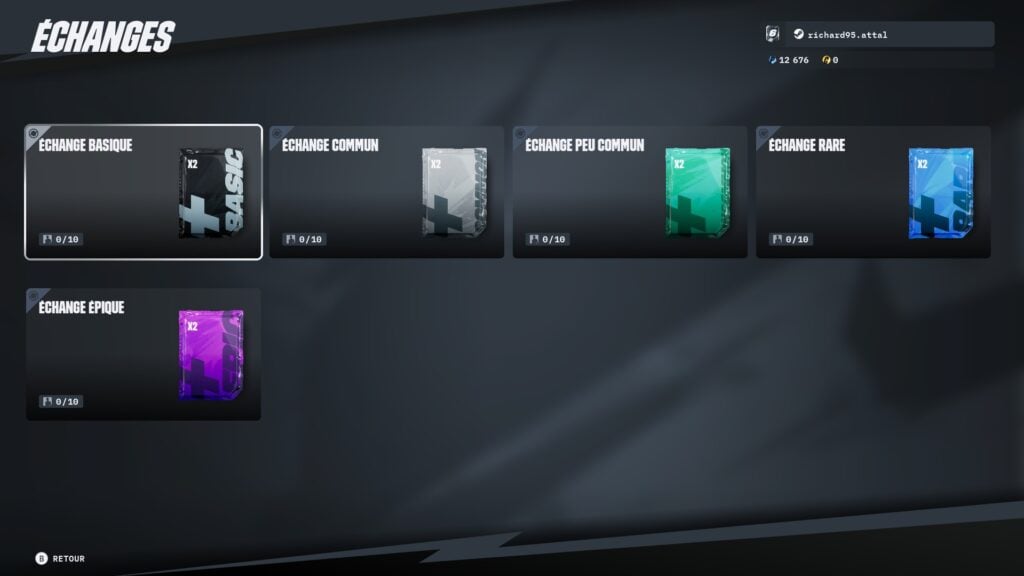
The Swaps system is the direct counterpart to FUT‘s Squad Building Challenges but built around the GOALS philosophy. The idea is to fuse several lower-rarity cards into a higher-rarity one, which turns the Commons and Uncommons sitting idle in your inventory into actual assets for the squad.
The trick worth keeping in mind is holding onto some of the weak cards instead of selling every single one. Each Swap asks for specific cards depending on the target reward, and keeping a stock on hand stops you from having to rebuy in a panic what you just sold off. It’s a parallel track to selling and gives two ways to progress at the same time.




Scroll gaming news
Salut ! Moi c'est Barnabé, l'assistant gaming de RetroGems ! Pose-moi tes questions sur les jeux vidéo, les actus ou le contenu du site. Miaou ! 🎮
Tapez pour rechercher
Comments
Log in to comment
Continue with GoogleBe the first to comment on this article!