


Discover Gemstream
Scroll gaming news

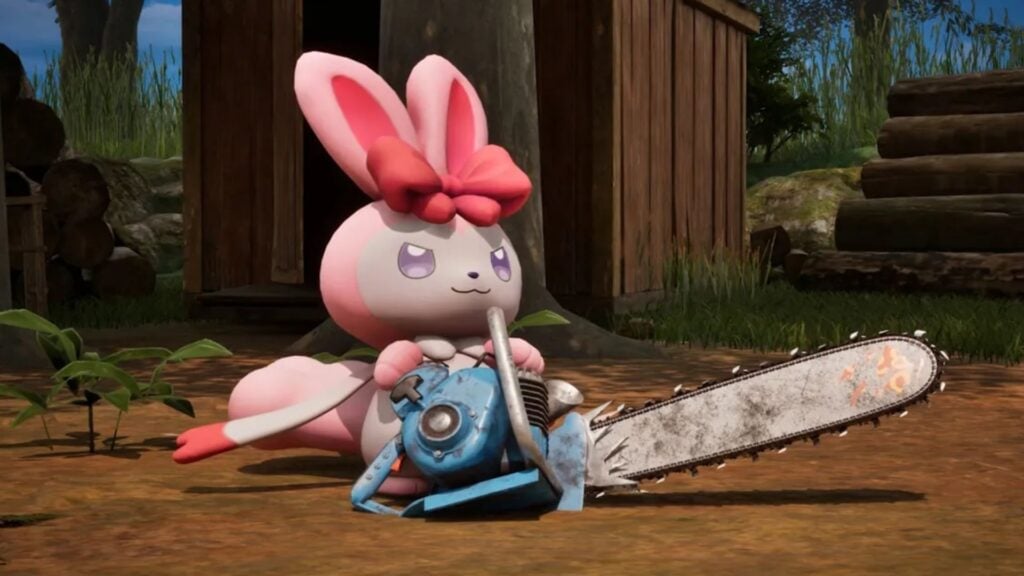
Palworld by Pocketpair officially steps out of Early Access on July 10, 2026 across PC via Steam and Microsoft Store, PS5, Xbox Series X|S and Xbox One. The title also lands day one on Xbox Game Pass with its $29.99 price kept untouched. Reviewed on PC with an RTX 4090 through Xbox Game Pass with a look at the game’s evolution since its Early Access days.
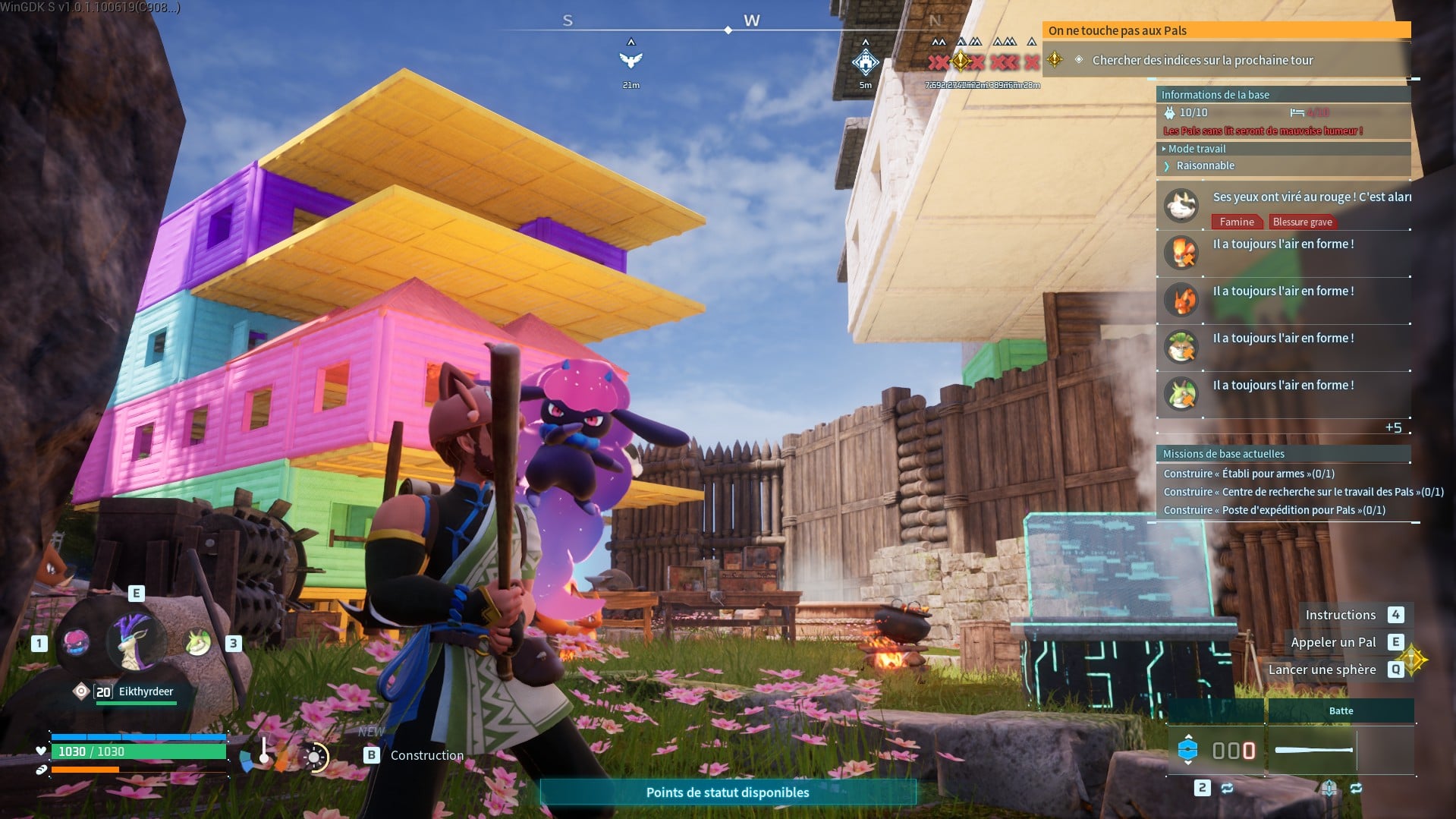
The Pokémon with guns label has followed Palworld around since 2023. That comparison falls apart the second you actually pick up the controller. Pokémon is a turn-based RPG built around codified strategic combat. Palworld on the other hand is a real-time action-RPG survival crafter with an open world you actually get to explore. Pocketpair‘s game sits somewhere between an Assassin’s Creed for its open-world backbone and an Ark Survival Evolved for the capture-and-management side. Toss in Valheim-style base building and a TPS loop with guns and rifles for a proper 10-year gaming melting pot.
The core philosophy is the flat-out opposite of Pokémon while we’re at it. NPCs get slaughtered, Pals get captured, killed or crushed into industrial components. Humans themselves end up trapped inside Pal Spheres just like their pocket monster counterparts. The game leans hard into its cynical and provocative streak while Pokémon sits firmly in cute-and-cuddly territory. The only real overlap is the sphere-throwing capture mechanic itself.
The 1.0 version of Palworld hits like an entire sequel dropped as a free update after 2 and a half years of Early Access. The total catchable Pal count jumps to 287 with 72 fresh Pals rolled into the mix for this milestone drop. Two brand new regions land with the floating islands and the endgame-gating World Tree zone. The Tower Bosses got the full overhaul treatment with attack patterns that read cleaner and punish way harder.
The Wing Pack stands out as the single addition that reshapes exploration the most. This equippable jetpack unlocks proper aerial traversal without leaning entirely on flying Pals to get around the map. The new structured missions finally give a narrative through-line to what used to be a completely chaotic Early Access sandbox. Offshore base building now unlocks the ability to plant your empire straight onto open-sea oil platforms.
The addition of raid bosses at ridiculous levels seriously beefs up the endgame in a big way. The expeditions system also sends your Pal army on missions while you keep roaming the open world freely. Fishing, bounty hunting and crossplay round out the multiplayer package with support for up to 32 players at a time. Pocketpair kept the price at $29.99 for the 1.0 launch as a thank-you to the community that grew to 40 million players since 2024.
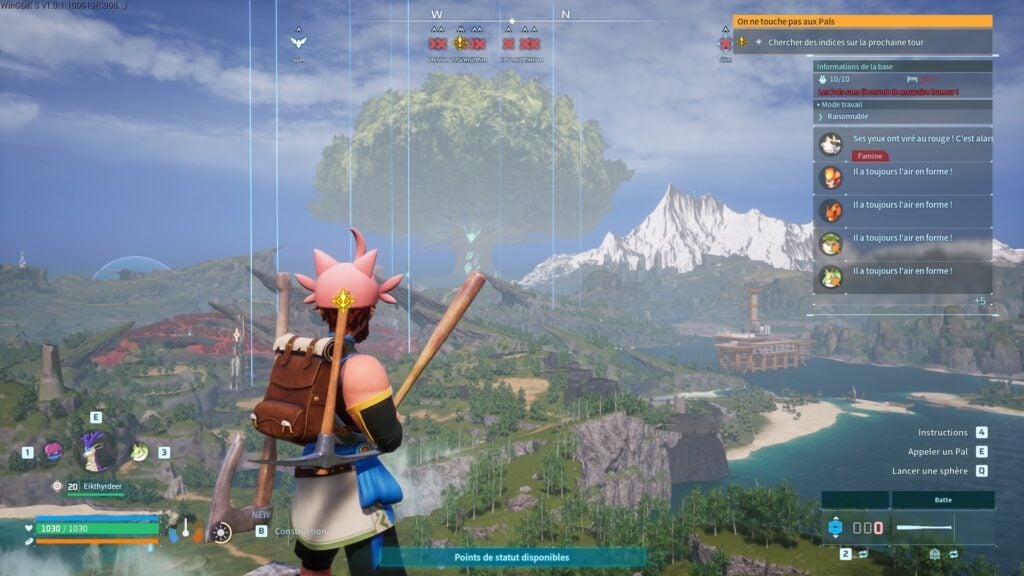
The real stroke of genius in Palworld is its open world and its zone-by-zone progression loop. Every horizon serves up a fresh biome to explore, a new arena to run at and a fresh tech tree to unlock. The game keeps dangling that next-discovery carrot in front of you every single session. You keep wondering if your Pal squad is gonna clear the next tower. Or if some legendary Pal is gonna flatten you on the road.
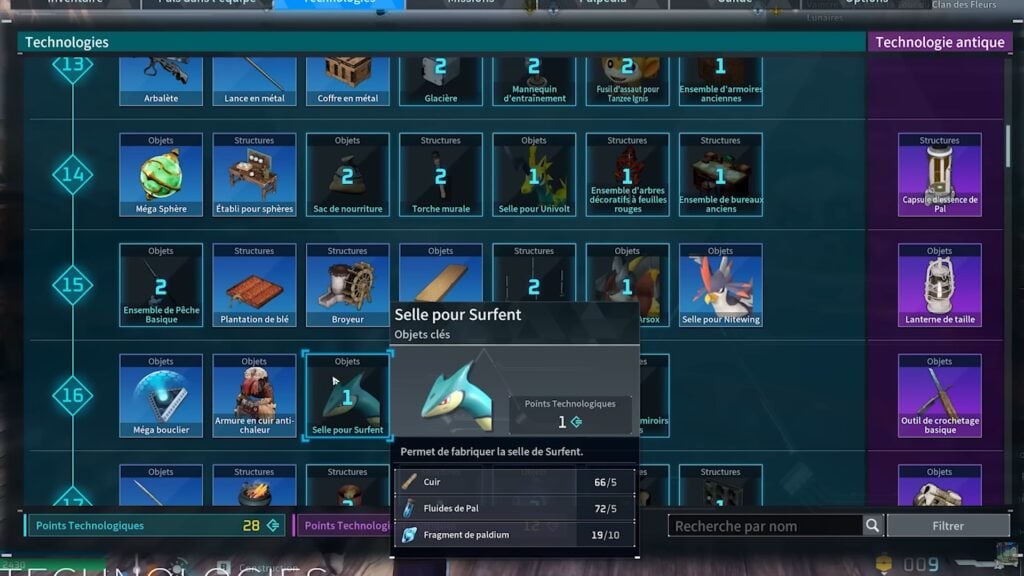
The whole thing works thanks to the gameplay variety between on-foot exploration and mount-riding on fast Pals. Free flight with winged creatures and lateral traversal with the new Wing Pack round out the movement toolkit nicely. Weapons and exploration gear unlock progressively through the tech research tree up to missile turrets and mineral conveyors. The game locks in the same one-more-session hook as The Legend of Zelda: Breath of the Wild. The loop does turn repetitive over the long haul but the hook stays solid.
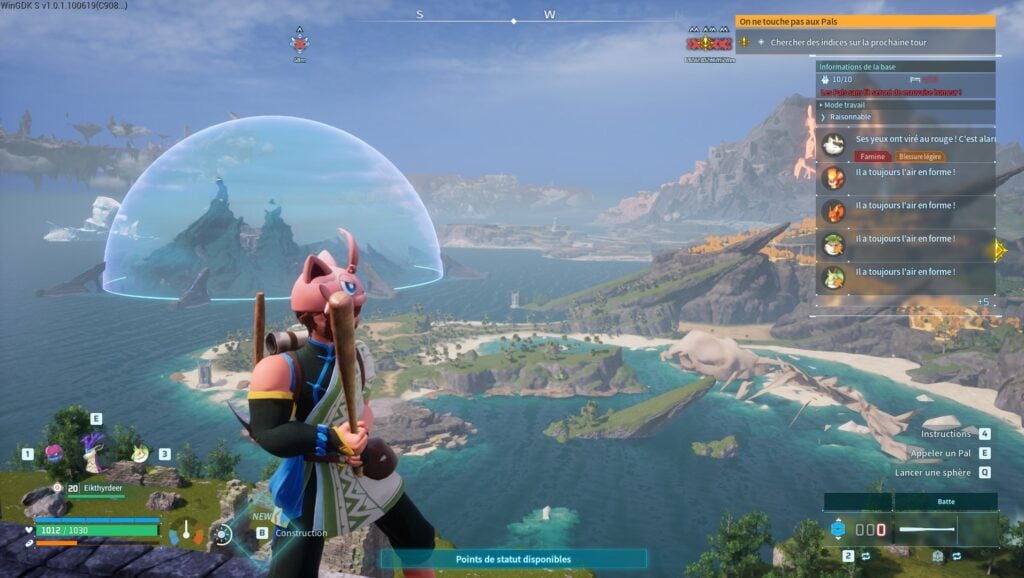
The Palworld story is stuck at pitch-level without ever really trying to go anywhere. You play as a Pal tamer in an archipelago. Colorful creatures get captured, forced into labor or crushed for industrial components. The premise never moves past the concept stage. 1.0 finally wraps up the main narrative arc after 2 and a half years of Early Access. The update also drops in a fresh Act-based structure to organize progression. Pocketpair shipped zero voice acting in the game even in English and that absence really hurts the main cutscenes.
This bare-bones narration finds its actual purpose as a progression carrot for the mechanics. The new Act-based narrative structure gradually rolls out the new zones to explore and the fresh capabilities like the Wing Pack. New types of catchable creatures also drop in along the way as narrative rewards. Every plot beat basically acts as a doorway to substantial gameplay content. That’s what keeps the hook alive despite a story that never bothers trying to tell anything memorable.
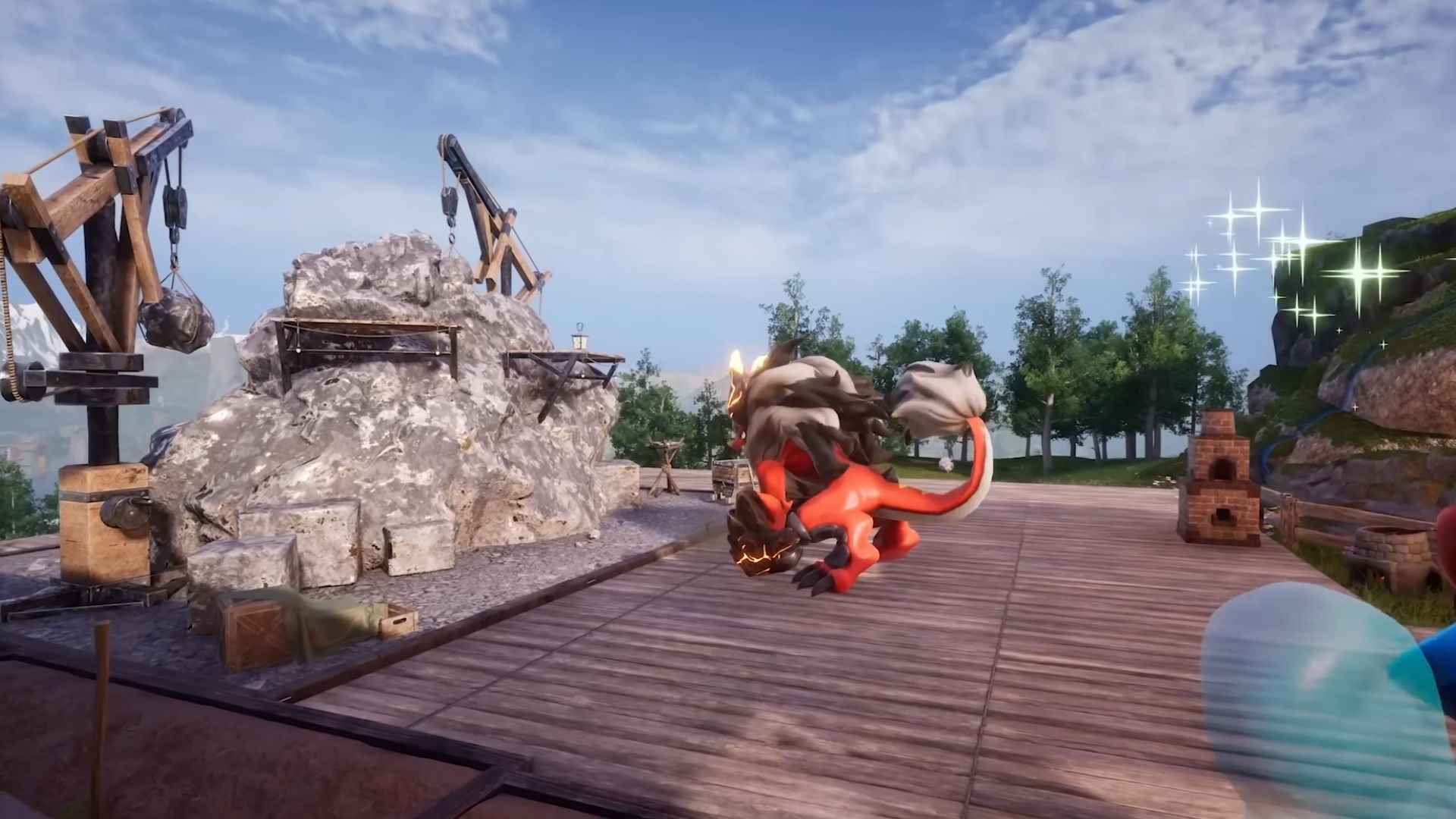
Every Pal carries a specific work skill among the 12 categories available in the game. A mammoth crushes it at lumbering while a pirate penguin absolutely nails crop irrigation. The list covers metal smelting, resource transport, planting, manufacturing and plenty of other automatable tasks. Building sprawling complex production chains quickly turns into the real game inside the game for genre heads.
The system hits its peak ethical audacity with one very specific mechanic. It becomes possible to grind certain Pals into life essence for other rarer creatures to consume. This deliberately provocative touch fits the cynical philosophy Pocketpair owns across the entire game. Moral lines get crossed without hesitation in a bold tone that stands in stark contrast to the sanitized codes of classic monster catching.
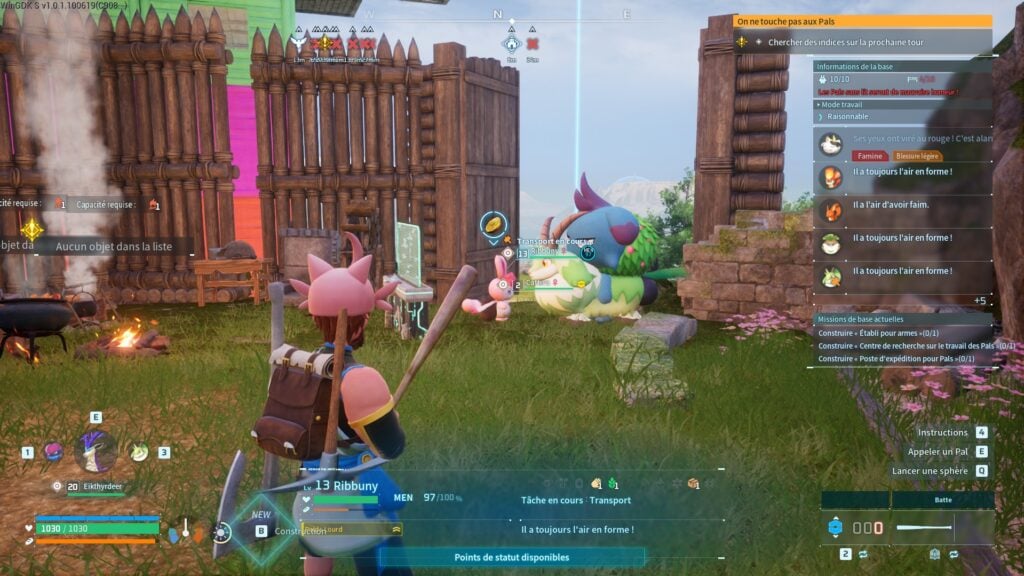
The one real drawback of the management system sits in its manual task assignment. The bigger your base gets with tons of workstations, the harder it gets to assign the massive Pals to specific zones. The camera and range system regularly struggles to lock onto the right workstation. It gets worse when you’re holding a Pal that’s over 3 meters tall above your head.
Palworld can feel like an easy ride during its first half on Normal mode. You can steamroll the first 5 arenas by compensating for your mistakes with brute Pal power or gear stats. Some difficulty spikes do pop up here and there on bosses or legendary Pals that fire laser beams straight through dungeon walls. The curve remains broadly accessible during that learning phase.
The real strategic dimension of the game reveals itself brutally around the 6th arena. Pocketpair then demands a deep understanding of elemental affinities, status effects and proper 5-Pal team composition. A misplaced attack or a missed dodge often leads to a straight one-shot with zero room to recover. This tension curve turns the whole experience into a genuinely demanding strategy game that occasionally echoes the boss fights of Monster Hunter.
The core issue of the system is its wild mix of punishing difficulty and technical roughness. Flying Pals clearly struggle to navigate certain areas of the game. The camera regularly loses the thread of intense fights with several giant creatures on screen. Dying without seeing the danger coming is the fastest way to lose players who were otherwise fully hooked by the rest.
Palworld carries no visual identity of its own despite its fantasy setting. The biomes read as a patchwork assembly of obvious references to other open-world games. Mountain, desert and forest zones lack any real artistic personality. One massive tree, for example, straight-up echoes the structure of Elden Ring in its role as a distant visible objective. These conservative choices tank the overall aesthetic impact of a map that’s otherwise wide and generous with its biomes.
The Pal design suffers from the same random eclectic inspiration. Some creatures like the soldier or the feline Pals carry a real graphic identity. But the overall lineup is wildly inconsistent with designs that feel randomly plucked between Pokémon aesthetics, Japanese kaijū inspiration and a chunky cartoon vibe. The creature names follow the same random logic of cheap wordplay and dubious humor.
The sound design commits the mortal sin of missing voice acting even in English on a narrative game with cutscenes. Ambient music is nearly non-existent across the open world and settles for a main theme that echoes Pokémon standards without any real conviction. Pocketpair clearly could have poured way more into these artistic and sound aspects to give the game the personality it deserves.
Bugs have dropped significantly since the Early Access launch of January 2024 thanks to Pocketpair‘s deep work on server stability and optimization. The ground-clipping traversals and permanent stuck Pals of the Early Access era belong to the past now. Production costs and capture mechanics got rebalanced in the right direction to eliminate the excessive grinding feel of the original version.
The persistent issue is the artificial intelligence of Pals in combat as much as in base management. The AI swings between straight-up binary behavior in certain fights and flat-out dumb during base logistics phases. Pals can clip through your fortress walls mid-defense or refuse to react at all to imminent danger. This instability partially breaks the attachment the game tries to build between you and your team.
Secondary technical issues still show up despite this 1.0 version. The camera can turn nightmarish in tight fights against giant creatures. Animations get sketchy the moment 15 Pals are running around inside a massive base with several active workstations. These flaws never hit critical levels but keep reminding you that the engine still fights against the sheer ambition of its own world.

Scroll gaming news
Salut ! Moi c'est Barnabé, l'assistant gaming de RetroGems ! Pose-moi tes questions sur les jeux vidéo, les actus ou le contenu du site. Miaou ! 🎮
Tapez pour rechercher
Comments
Log in to comment
Continue with GoogleBe the first to comment on this article!